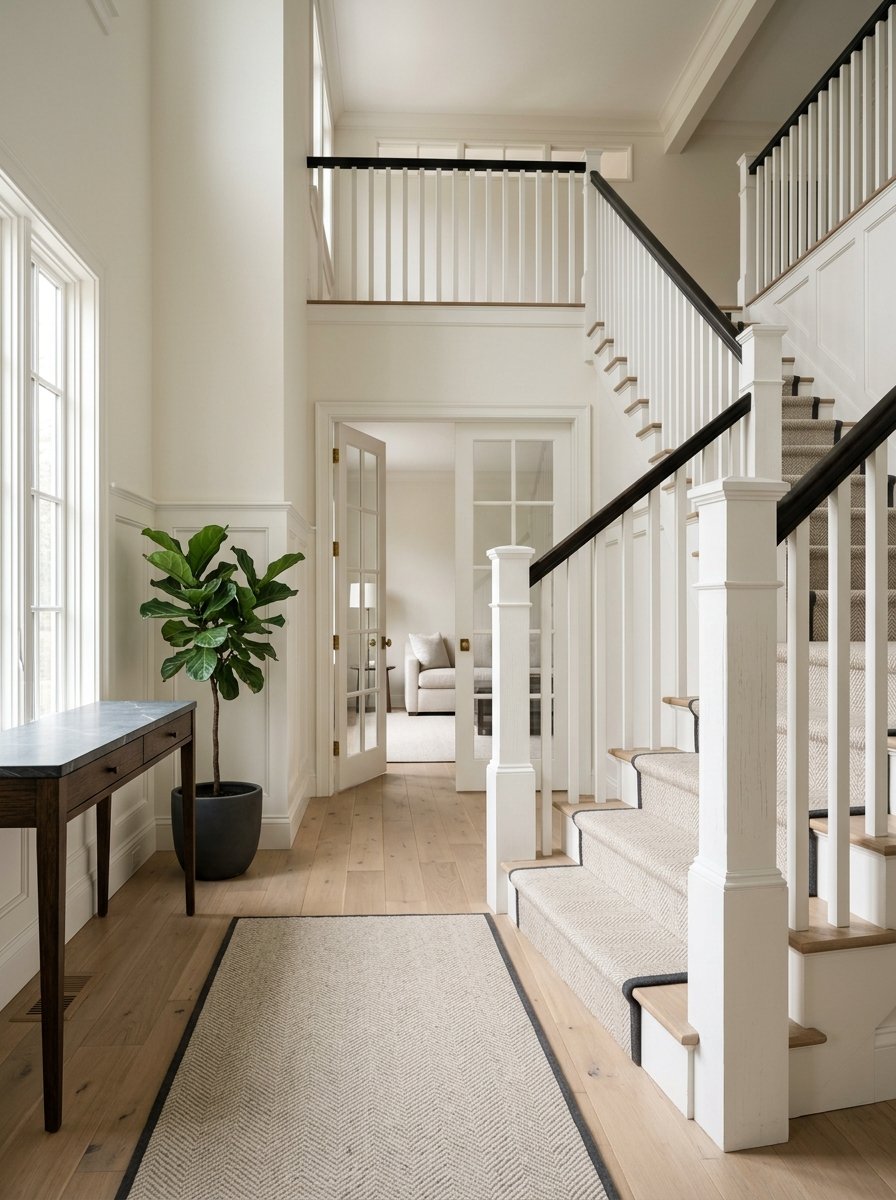
If you are preparing to sell a home in Chestnut Hill, you are not launching just another listing. You are often managing architecture, presentation, timing, and in some cases local review requirements that can affect what gets done before your home goes live. A true concierge listing experience helps you make smart decisions in the right order, so you can protect momentum and present your property at its best. Let’s dive in.
What a concierge listing means
In Chestnut Hill, a concierge listing experience is best understood as a coordinated pre-sale plan, not just a marketing package. The goal is to help you decide what to improve, what to leave alone, when to bring in vendors, and how to launch with as little friction as possible.
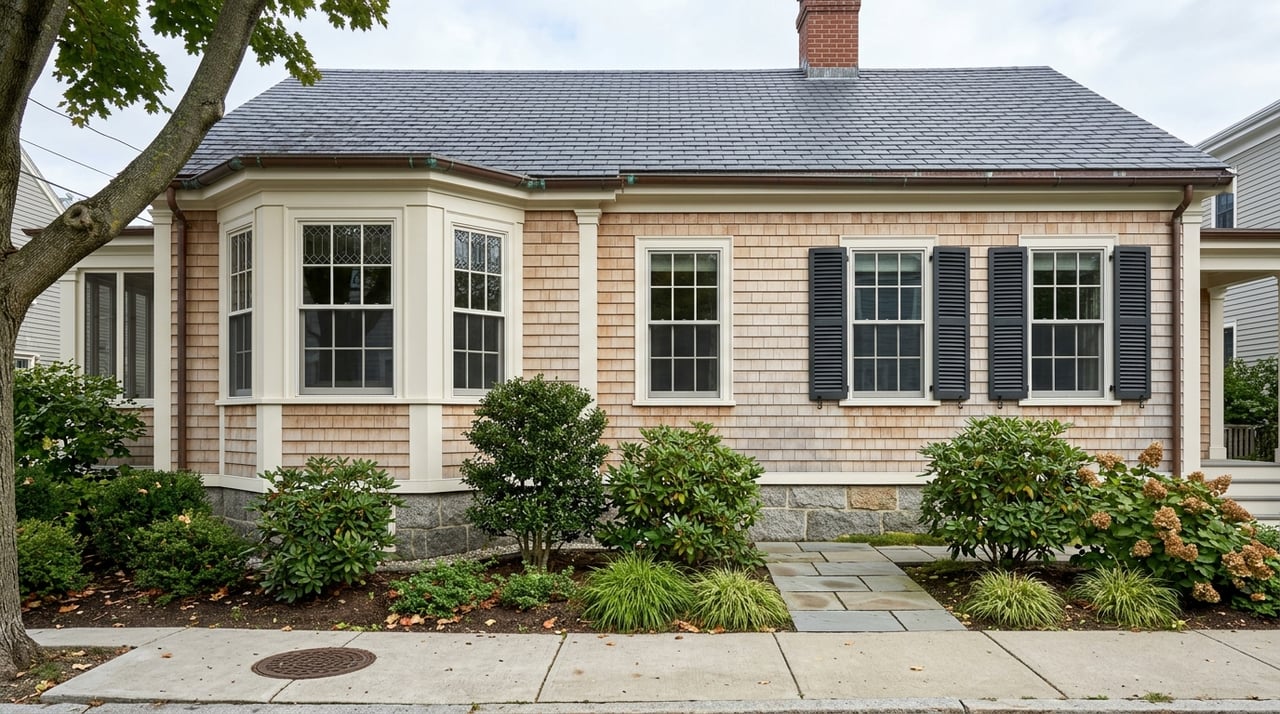
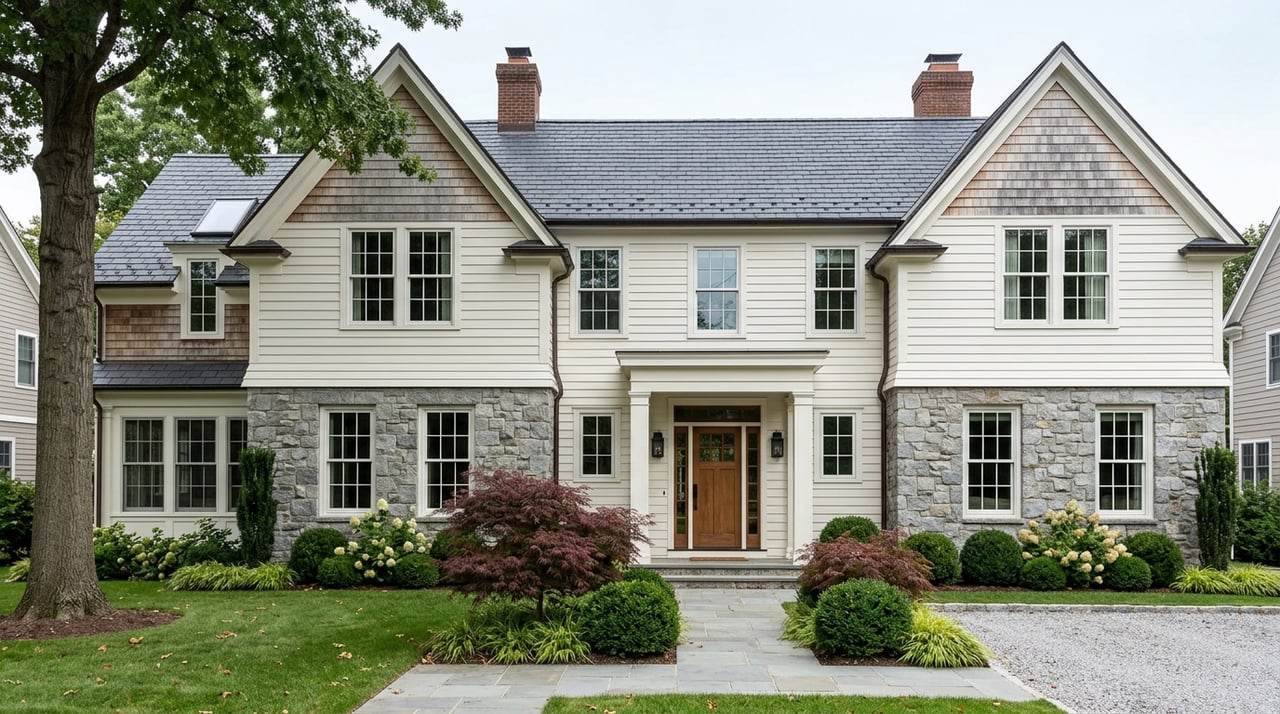
That matters here because Chestnut Hill has a distinctive architectural history. The City of Newton describes the area as an eastern Newton village shaped by 19th-century rail access, large landscaped lots, and architect-designed homes in styles such as Colonial Revival, Georgian Revival, and Shingle. In a setting like this, condition, presentation, and respect for original character can have a real impact on how buyers perceive value.
Why Chestnut Hill needs more planning
Some homes in Chestnut Hill fall within Newton’s local historic district, which adds another layer to pre-listing preparation. According to the city, the Chestnut Hill Historic District was established in 1991 to preserve architectural character.
That does not mean selling is complicated by default. It does mean exterior work needs to be reviewed carefully before anyone starts replacing windows, altering brickwork, changing fencing, or updating visible exterior elements.
Under Newton’s local historic district review rules, exterior changes visible from a public way generally require a Certificate of Appropriateness before a building permit can be issued. The city’s review list specifically references items such as windows, siding, chimneys, brickwork, fences, walls, driveways, gates, signs, and additions.
For you as a seller, this is where concierge service becomes practical. Instead of reacting mid-listing, you want a senior agent who can help sort improvements into three categories: work worth doing now, work that may require approvals, and work better left alone to avoid delays.
What should be fixed before listing?
The best pre-listing work is usually the work that improves first impressions without creating unnecessary delay. In Chestnut Hill, that often means starting with maintenance, presentation, and a few high-impact repairs rather than opening a long renovation project.
A smart repair triage usually focuses on:
- Deferred maintenance that buyers will notice right away
- Cosmetic issues that make the home feel dated or poorly cared for
- Items that affect photography and showings
- Exterior details that support curb appeal
- Repairs that can be completed quickly without triggering a complicated approval process
The reason this matters is simple. Once your home is on the market, buyers start forming opinions from the first photo and the first drive-by.
Which exterior work may need approval?
If your property is in a local historic district, exterior work should be screened early. Newton’s guidance says ordinary maintenance that does not alter exterior design, material, or appearance is exempt, but more visible changes may require review.
That means you should be cautious about assuming a pre-listing exterior upgrade is straightforward. Replacing windows, changing siding, modifying a driveway, rebuilding a wall, or updating a gate may involve more than hiring a contractor.
Tree work can also affect timing. Newton’s tree preservation ordinance states that a permit is required to remove trees with a trunk diameter of six inches or greater, and permits are also required any time exterior construction work takes place. If your launch plan includes exterior cleanup or construction, this is a detail worth addressing before your listing date is set.
How staging fits the strategy
Staging is not about making your home look generic. It is about helping buyers understand scale, flow, and lifestyle while keeping the architecture and details front and center.
The latest National Association of Realtors staging research found that 29% of agents said staging led to a 1% to 10% increase in the dollar value offered, while 49% of sellers’ agents said staging reduced time on market. That is why a concierge process usually starts with the rooms and details that shape first impressions most.
NAR also found that buyers’ agents rated photos, physical staging, videos, and virtual tours as highly important. The most commonly staged rooms were the living room, primary bedroom, dining room, and kitchen, while decluttering, deep cleaning, and curb appeal improvements were among the most common recommendations.
In practical terms, that often means your plan begins here:
- Declutter and edit each main room
- Deep clean the home from top to bottom
- Refresh key living spaces buyers notice first
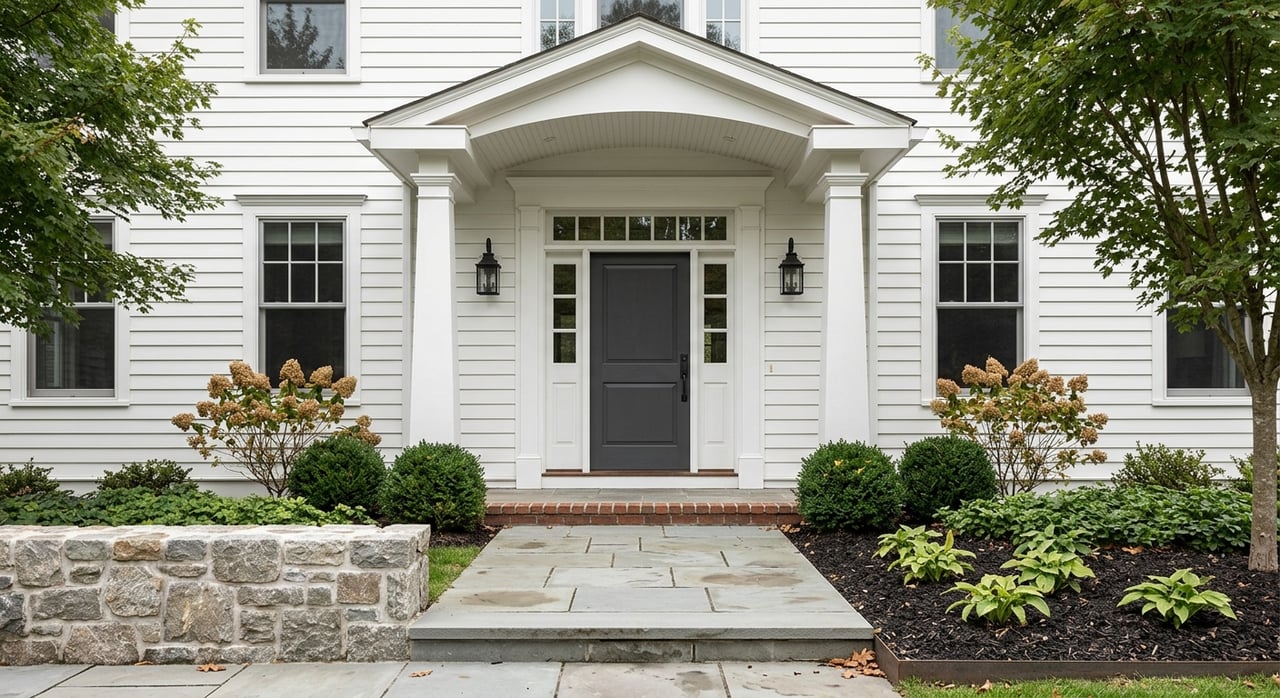
- Improve curb appeal for photography and showings
- Stage only where it adds clarity and visual impact
Why photography and video matter
In the upper-tier market, buyers often see your home online long before they schedule a private showing. That makes imagery a core part of pricing support, not an afterthought.
Professional photography helps buyers understand light, proportion, and detail. Video and virtual tours can go a step further by showing layout and helping busy or out-of-area buyers narrow decisions faster.
That is especially relevant when your property may appeal beyond Greater Boston. NAR has noted the growing value of virtual tours in the home search process, which can help buyers engage with a property even when they are not able to visit immediately.
How showings are managed
A concierge listing experience should also make the showing process easier on you. That means scheduling thoughtfully, preparing the home so it shows consistently well, and making sure the presentation online matches what buyers experience in person.
For many sellers, this is one of the biggest stress points. The right process reduces last-minute scrambling by handling details upfront, from vendor coordination to final touch-ups before launch.
When the home is prepared correctly, showings tend to feel more intentional. Buyers can focus on the property itself instead of seeing a to-do list.
How your listing reaches buyers
Exposure starts locally, but it should not end there. Once a listing is entered into MLS PIN, it can gain broad regional visibility through MLS PIN syndication partners, including boston.com, homes.com, and realtor.com.
For many Chestnut Hill homes, that is just the first layer. The Robin Allen Group’s brokerage and network affiliations can expand reach through luxury channels that are designed for a broader buyer pool.
According to Coldwell Banker’s 2025 year-end materials, its network includes about 95,000 affiliated sales professionals in approximately 2,700 offices across 48 countries and territories. Coldwell Banker Global Luxury materials also describe international syndication through ListHub Global to more than 100 portals reaching more than 70 million buyers and investors in over 60 countries and territories.
There is also added reach through broader luxury networks. Leading Real Estate Companies of the World says its network includes 550 firms and 135,000 sales associates in more than 70 countries, while Luxury Portfolio International markets approximately 50,000 luxury homes annually.
For you, the takeaway is clear: the right buyer may be local, regional, national, or international. A concierge listing strategy should account for all of those possibilities from day one.
What senior-agent oversight changes
Luxury sellers often do not need more opinions. They need a clear plan, close oversight, and calm execution.
That is where senior-agent involvement makes a difference. In a boutique listing model, the process is not handed off after the listing agreement is signed. It stays managed from the early walkthrough through repair triage, staging decisions, creative planning, pricing strategy, launch timing, and communication throughout the sale.
In a market like Chestnut Hill, that level of coordination can help reduce stress and avoid expensive missteps. It keeps the sequence disciplined so your property is launch-ready when it hits the market.
What to expect from start to launch
Every property is different, but a concierge listing experience in Chestnut Hill often follows a sequence like this:
- Initial property walkthrough and strategy discussion
- Identification of high-impact repairs and presentation priorities
- Review of any exterior items that may require municipal approval
- Vendor coordination for cleaning, repairs, and staging
- Professional photography, video, and marketing preparation
- Listing launch through MLS and broader luxury distribution
- Showing management, buyer feedback review, and negotiation support
The real value is not just in each individual step. It is in having those steps organized in the right order.
The bottom line for Chestnut Hill sellers
Selling in Chestnut Hill calls for more than polished marketing. It calls for local judgment, careful preparation, and a launch plan that respects both the property and the market.
When your listing is treated as a coordinated project, you are better positioned to avoid delays, strengthen presentation, and reach the right buyers with confidence. If you are considering a sale in Chestnut Hill and want thoughtful, senior-level guidance from start to finish, Robin Allen offers a private, concierge-driven approach designed around your home, your timeline, and your goals.
FAQs
What does a concierge listing experience mean for a Chestnut Hill seller?
- It means your sale is managed as a step-by-step project that can include repair triage, vendor coordination, staging, marketing preparation, showing support, and broad listing distribution.
What exterior changes may need approval before listing a home in Chestnut Hill?
- In Newton local historic districts, visible exterior changes such as windows, siding, chimneys, brickwork, fences, walls, driveways, gates, and additions may require review before a building permit can be issued.
What pre-listing updates usually matter most for a Chestnut Hill home sale?
- High-impact updates often include decluttering, deep cleaning, curb appeal improvements, and selective repairs that improve first impressions without delaying the listing.
How important is staging for a Chestnut Hill home listing?
- NAR reports that staging can support stronger offers and reduce time on market, especially when it helps buyers understand the living room, primary bedroom, dining room, and kitchen.
How does a Chestnut Hill listing get exposure beyond Boston?
- A listing can gain regional visibility through MLS PIN syndication and broader national and international reach through Coldwell Banker Global Luxury and affiliated luxury networks.
Why is senior-agent oversight important when selling a Chestnut Hill property?
- Senior-agent oversight helps keep the process sequenced, reduces avoidable delays, and gives you one experienced point of contact for decisions, communication, and launch execution.