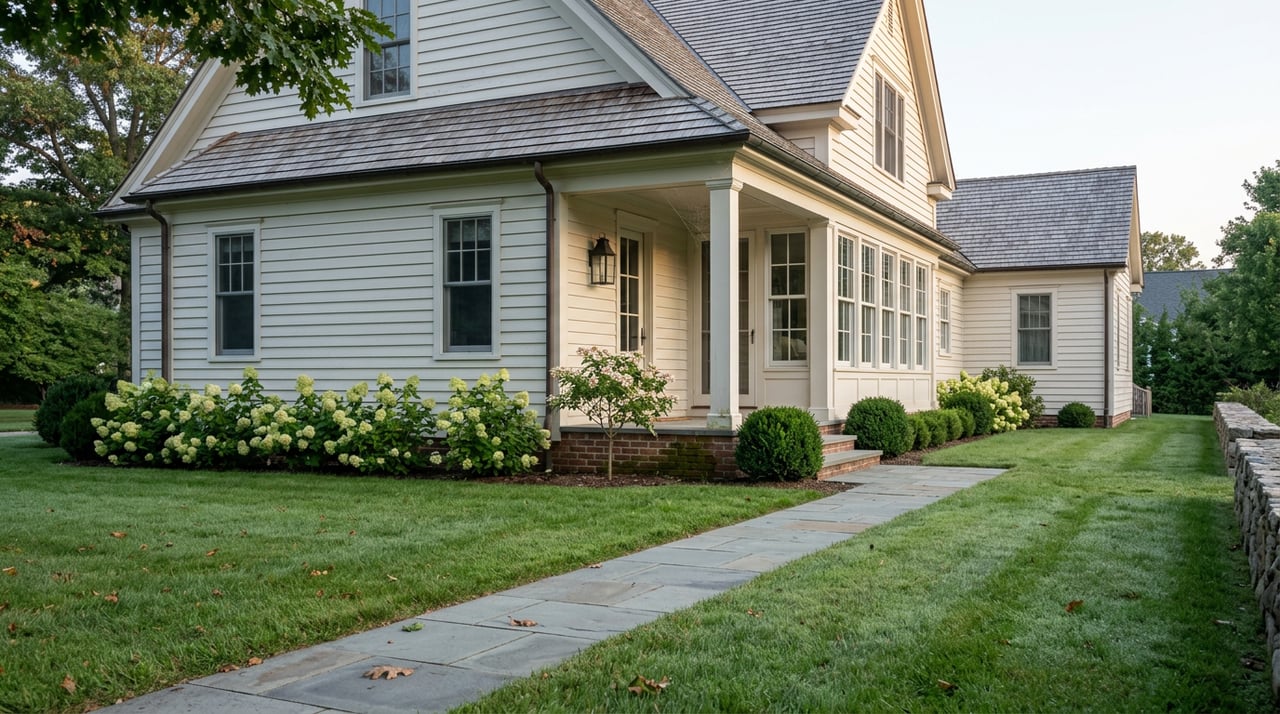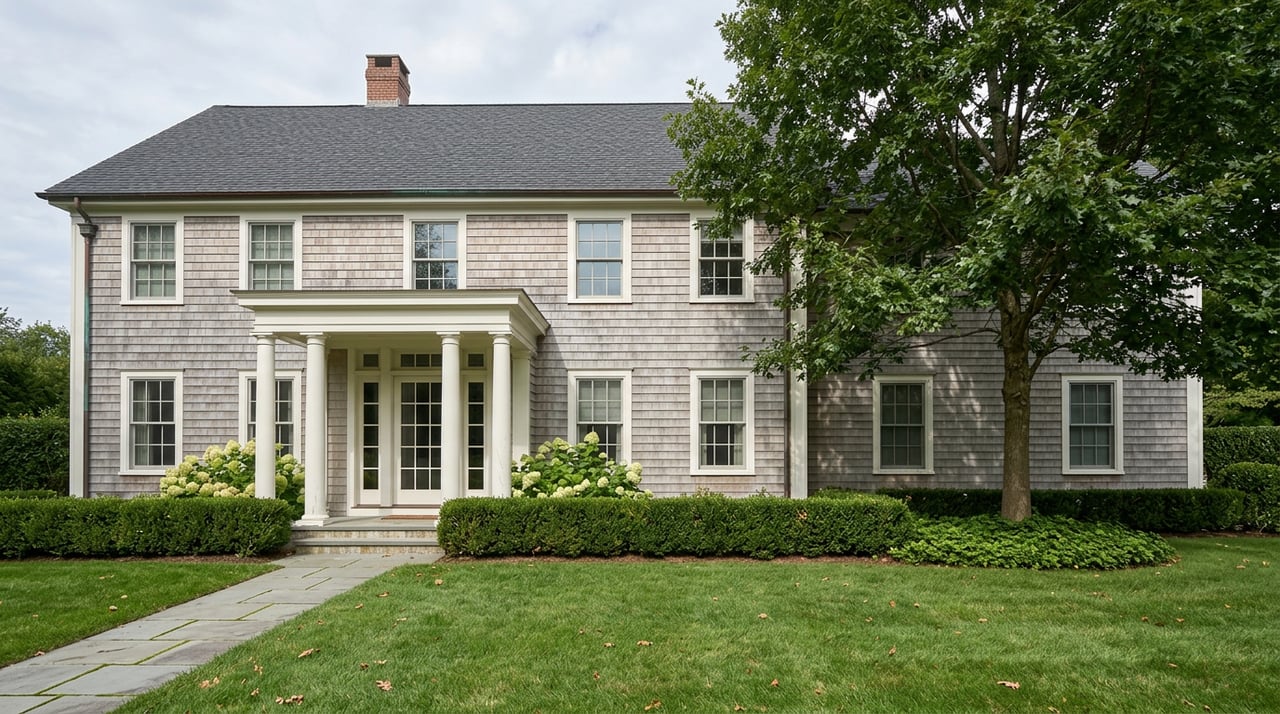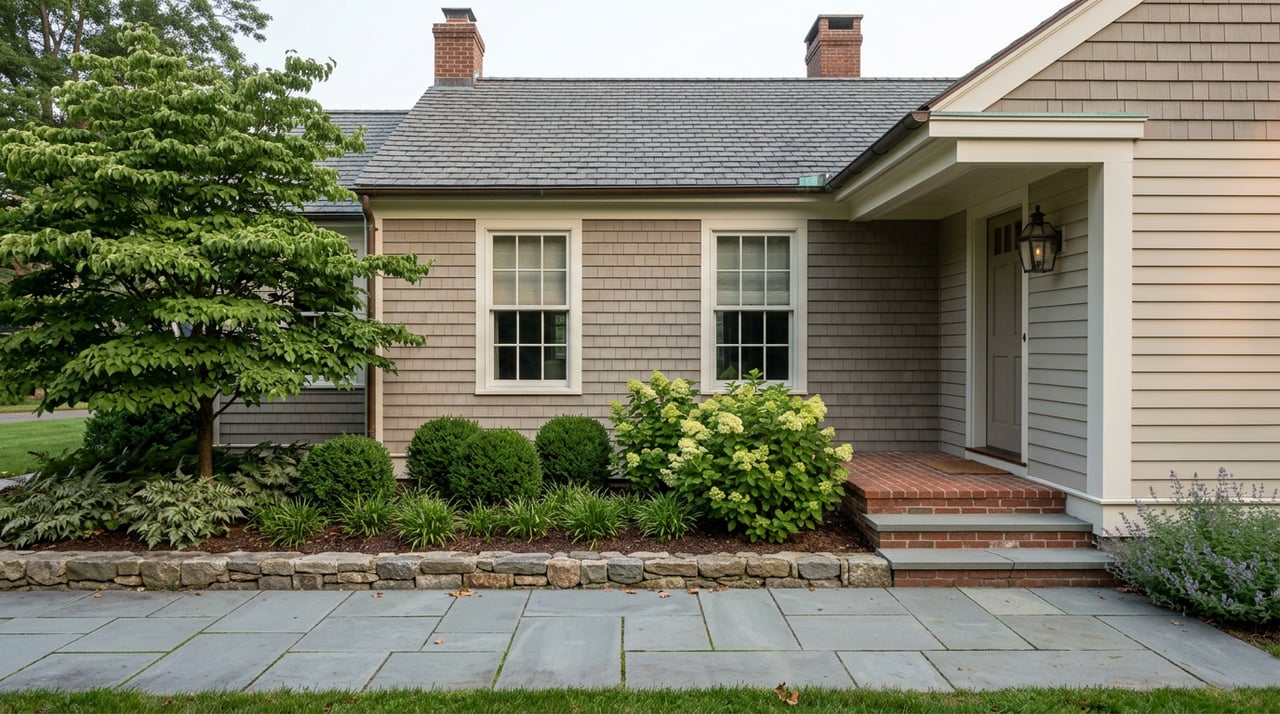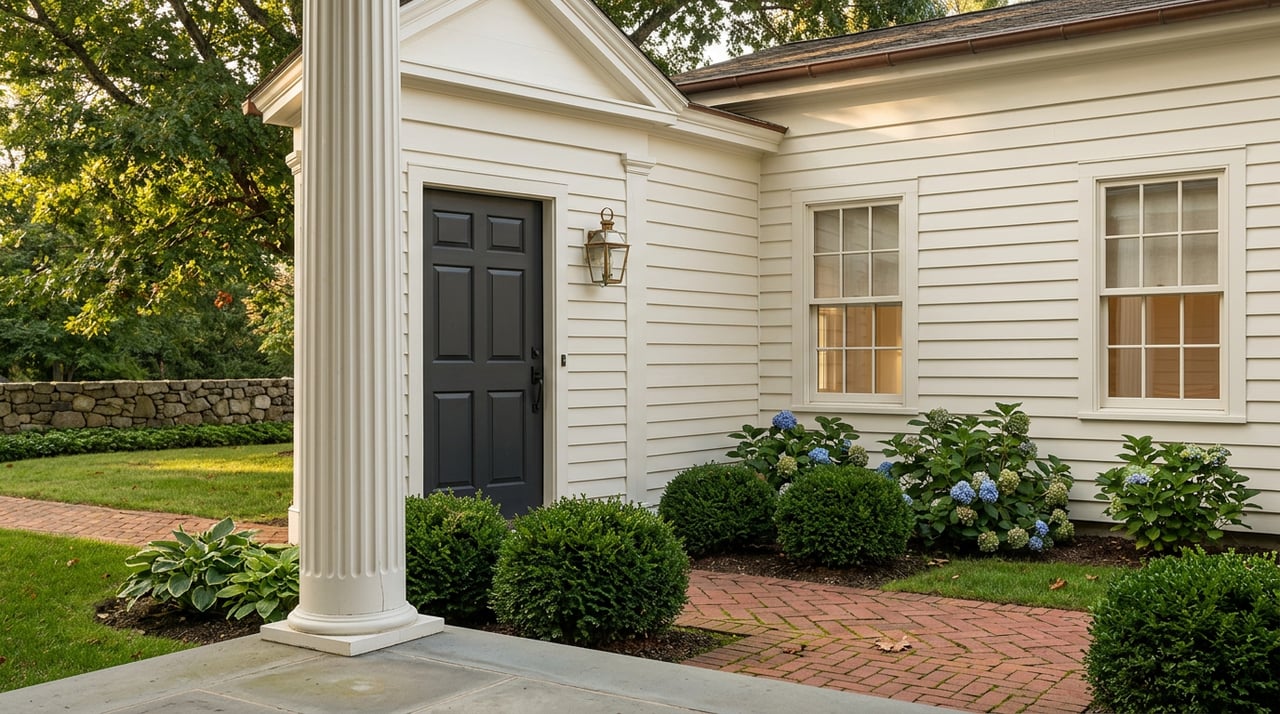
If your Brookline home has started to feel like more work than freedom, you are not alone. Many long-time owners reach a point where the space, stairs, yard, and upkeep no longer match how they want to live day to day. The good news is that downsizing in Brookline can mean simplifying your life without giving up the community you know well. With the right plan, you can move from a family home to a condo in a way that protects your comfort, timing, and financial picture. Let’s dive in.
Why Downsizing Works in Brookline
Brookline offers a rare mix of residential character, urban convenience, and strong transit access just a few miles from downtown Boston. The town is served by the Green Line C and D branches, with the B branch along the northern edge, plus bus routes including the 51, 60, 65, and 66. Brookline also notes senior transportation options and The Ride, which can matter if you want to stay mobile without relying on a car for every errand.
For many homeowners, that makes a local move especially appealing. You may be able to trade a larger property and its maintenance needs for a condo that keeps you close to familiar streets, shops, services, and transit. In a town where home values are high and owner-occupied homes carry significant equity, downsizing is often less about leaving and more about reshaping your next chapter.
What Downsizing Really Means
Downsizing is often framed as giving something up, but that is usually not how it feels in real life. A better way to think about it is editing a well-loved life into a home that fits you now. You keep what supports your routines and priorities, and you let go of the parts of homeownership that have become heavy.
That might mean fewer stairs, less exterior maintenance, or a layout that is easier to manage on one level. It may also mean freeing up time and energy for travel, family, or simply enjoying Brookline with less on your to-do list.
Why Timing Matters in a Fast Market
Brookline is an expensive and fast-moving market. Current snapshots show homes often moving in a matter of weeks, which means your sale and purchase timing can become tight if you wait too long to start planning.
That is why it often makes sense to begin your condo search before your house is fully under contract. You do not need every detail finalized to start learning what is available, what different buildings offer, and how quickly well-matched units are moving. Early preparation gives you more choices and fewer surprises.
How to Define Your Condo Priorities
The best condo for downsizing is not always the prettiest one. It is the one that makes daily life easier and more predictable.
Before you tour properties, build your search around practical needs such as:
- Step-free entry or reliable elevator access
- Single-level living
- In-unit or easy-access laundry
- Dedicated storage
- Parking and guest parking
- Pet rules, if relevant to your household
- Noise level and layout privacy
- Building age and maintenance history
- Reserve strength and any planned special assessments
These details shape your lifestyle far more than finishes alone. A beautiful condo can still be the wrong fit if the building has weak reserves, limited access, or recurring costs you did not expect.
Brookline Areas to Consider
If staying local is the goal, several parts of Brookline often stand out in condo searches. Brookline Village, Coolidge Corner, Washington Square, South Brookline, and Corey Hill all appear prominently in local market data and give buyers different blends of convenience, building style, and access to daily errands.
Transit can be just as important as the unit itself. Homes near the C or D branches or the 66 bus corridor may offer easier day-to-day movement around town and into Boston. Brookline also notes that the MBTA accessibility project is underway on the C Branch, with plans to make all C Branch stations in Brookline fully ADA accessible, which may add long-term convenience for older residents.
Understanding the Cost Shift
One of the biggest downsizing mistakes is assuming a condo will automatically cost less each month. In some cases it does, but the math is not always simple.
Your single-family home may come with larger upkeep and utility demands, while a condo may replace those with HOA dues, shared building costs, and occasional assessments. On the purchase side, your monthly housing picture should include property taxes, homeowners insurance, and HOA fees, with buyers confirming what the master insurance covers and what it does not.
Costs Sellers Often Miss
When you sell a Brookline home and buy a condo, several line items can affect your net proceeds and future budget:
- Massachusetts deed excise tax of $2.28 per $500 of consideration, or about $4.56 per $1,000
- Seller closing costs
- Buyer closing costs, which often run about 2% to 5% of the purchase price
- HOA dues
- Moving and storage expenses
- Temporary housing costs, if your sale and purchase do not line up
- Special assessments or recurring building projects
- Insurance gaps not covered by the condo master policy
These are not small details. In a premium market like Brookline, they can materially affect what feels comfortable for your next move.
Property Taxes and Relief Programs
Brookline’s FY2026 residential tax rate is $10.24 per $1,000 of assessed value. The town also offers a FY2026 residential exemption tax amount of $3,634.93, and assessments are based on fair cash value using actual sales data in an 18-month window around January 1.
If you are comparing your current house to a condo, it is worth reviewing the numbers carefully rather than assuming your taxes and fees will drop in a straight line. Brookline also administers senior relief programs including Clause 41C, Clause 41A, a senior work-off program, and a means-tested elderly or disabled aid fund. The state also offers the Senior Circuit Breaker credit.
One important point is that some water and sewer relief does not apply to condo owners. That means a move to a condo may simplify ownership, but it does not automatically improve every part of your tax and fee picture.
Protecting Sale Proceeds During the Move
If your Brookline home is your principal residence, timing matters for more than logistics. Massachusetts homestead protection can protect up to $1,000,000 of principal-residence value under a declared homestead.
According to the Secretary of the Commonwealth, if the home is sold, sale proceeds are protected for one year after the sale or until they are used to buy a new home, whichever comes first. Filing the declaration costs $35. If you are planning a sale and purchase close together, this is one more reason to map out the timeline early and carefully.
A Practical Downsizing Timeline
A successful move usually starts before the listing goes live. In Brookline, where homes can move quickly, the goal is to create overlap between selling well and buying wisely.
A simple framework looks like this:
1. Clarify your next-home needs
Start with how you want to live, not just what you want to spend. Think about layout, mobility, transit, parking, storage, and how often you expect guests.
2. Review your financial picture
Estimate sale proceeds, deed excise tax, closing costs, condo purchase costs, and ongoing monthly expenses. Include HOA dues and any likely moving or temporary housing costs.
3. Prepare your house thoughtfully
If your current home has strong value, presentation still matters. Strategic preparation, vendor coordination, and market positioning can help you sell with less stress and stronger results.
4. Start touring condos early
Do this before your home is fully under contract if possible. Early tours help you understand trade-offs between location, layout, building type, and price.
5. Study the building, not just the unit
Review rules, reserves, maintenance history, and any upcoming assessments. A lower-maintenance lifestyle depends on a well-run building.
6. Plan the move in stages
Downsizing is part financial decision and part emotional process. Give yourself time to sort, donate, gift, store, and carry forward the pieces of home that matter most.
The Emotional Side of Leaving a Family Home
This part deserves just as much care as the numbers. A family home often holds decades of routines, milestones, and memory, so even a positive move can feel complicated.
It helps to treat downsizing as a transition, not a loss. You are not erasing your history in Brookline. You are choosing a home that supports the way you want to live now, with less maintenance and more flexibility.
How a Local, Hands-On Strategy Helps
In a market like Brookline, downsizing works best when the sale of your current home and the search for your next one are treated as one coordinated plan. Pricing, preparation, timing, and condo selection all affect each other.
That is where local knowledge and hands-on guidance can make a real difference. When you understand Brookline block by block, building by building, and know how to manage the moving parts calmly, the process becomes clearer and far less overwhelming.
If you are thinking about downsizing in Brookline, a private conversation can help you evaluate timing, likely net proceeds, and the condo options that fit your next chapter. Connect with Robin Allen to request a private consultation.
FAQs
What does downsizing in Brookline usually mean?
- Downsizing in Brookline often means moving from a larger single-family home into a condo that offers less maintenance, easier daily living, and continued access to the community, transit, and services you already know.
When should you start looking for a Brookline condo?
- Because Brookline homes can move quickly, it is often wise to start researching and touring condos before your current house is fully under contract.
What condo features matter most for Brookline downsizers?
- The most important features are usually step-free access or elevator service, single-level living, laundry setup, storage, parking, guest parking, building finances, and any upcoming special assessments.
What costs are easy to miss when moving from a Brookline house to a condo?
- Commonly missed costs include Massachusetts deed excise tax, closing costs, HOA dues, master-insurance gaps, special assessments, moving expenses, and temporary housing if timing does not align.
Do Brookline property tax relief programs always transfer well to condos?
- Not always. Brookline offers several senior relief programs, but some water and sewer relief does not apply to condo owners, so you should check eligibility before assuming your total costs will drop.
Which Brookline areas are often considered for condo downsizing?
- Buyers often look at Brookline Village, Coolidge Corner, Washington Square, South Brookline, and Corey Hill, especially when they want convenient access to errands, services, and transit.