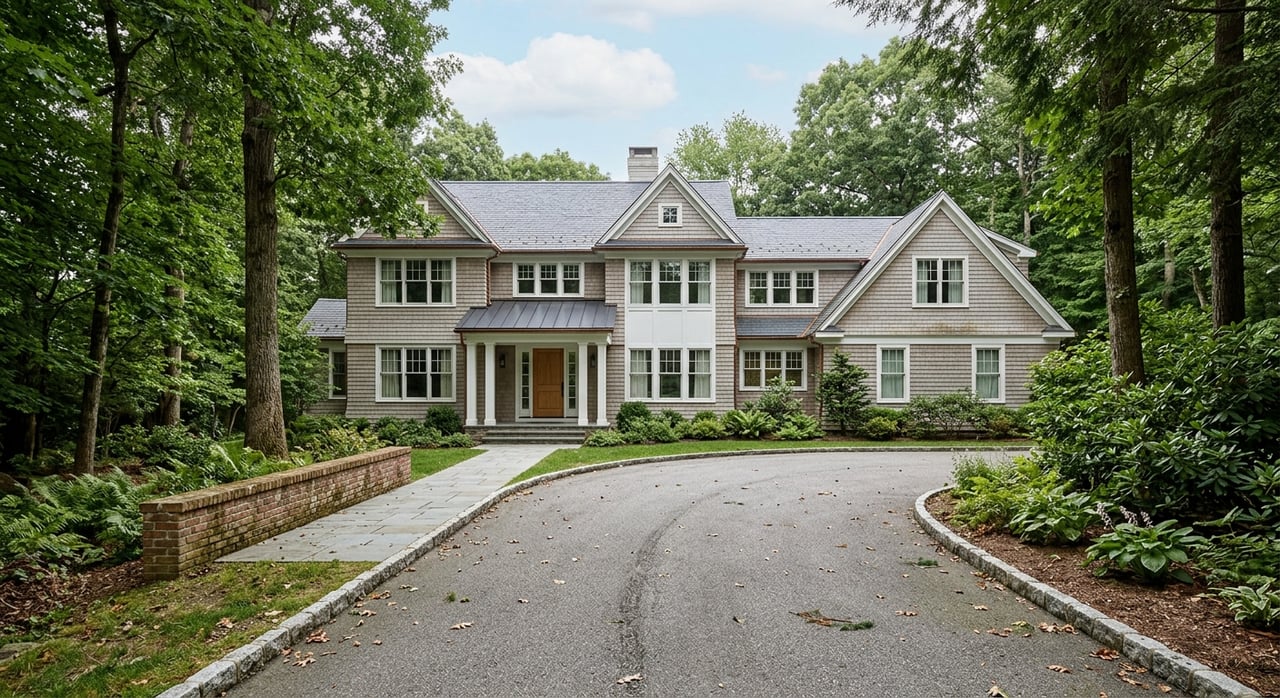
If you are searching for privacy and green space in Chestnut Hill, the neighborhood name alone will not tell you enough. Chestnut Hill spans parts of Newton, Brookline, and Boston, and each area offers a different balance of wooded surroundings, lot size, street layout, and convenience. When you understand how those pieces fit together, you can focus your search on the blocks that best match the way you want to live. Let’s dive in.
Why Chestnut Hill Feels So Green
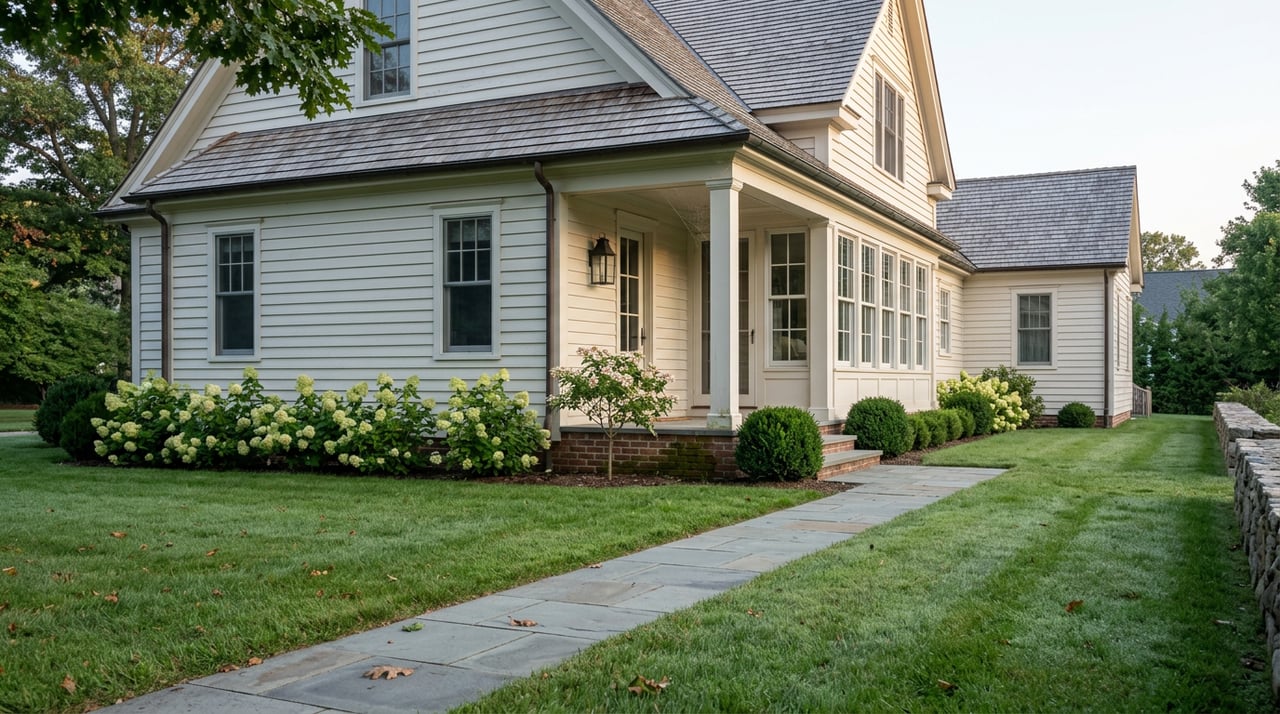
One reason Chestnut Hill stands out is that its landscape was shaped by large residential parcels, winding roads, and significant open space. In Newton, the area developed from what the city describes as an originally isolated and sparsely settled place into a community of country estates, and the current historic district is still known for large homes, lush landscaping, privacy, and streets that follow the natural topography. In Brookline, the Chestnut Hill North study describes a preserved, almost entirely residential single-family neighborhood.
For buyers, that means Chestnut Hill is best understood as a set of distinct settings rather than one uniform market. Broadly, you are often comparing the historic residential areas of Newton, the Brookline Chestnut Hill North area and nearby residential blocks, and the Boston or Brighton side near the reservoir. Each can offer greenery, but the feeling of privacy changes from block to block.
Three Chestnut Hill Settings
Newton’s Historic Residential Pockets
The Newton side often appeals to buyers who want a more secluded residential feel. The city’s Chestnut Hill history page and historic district information point to large homes, mature landscaping, and streets that follow the land rather than a rigid grid.
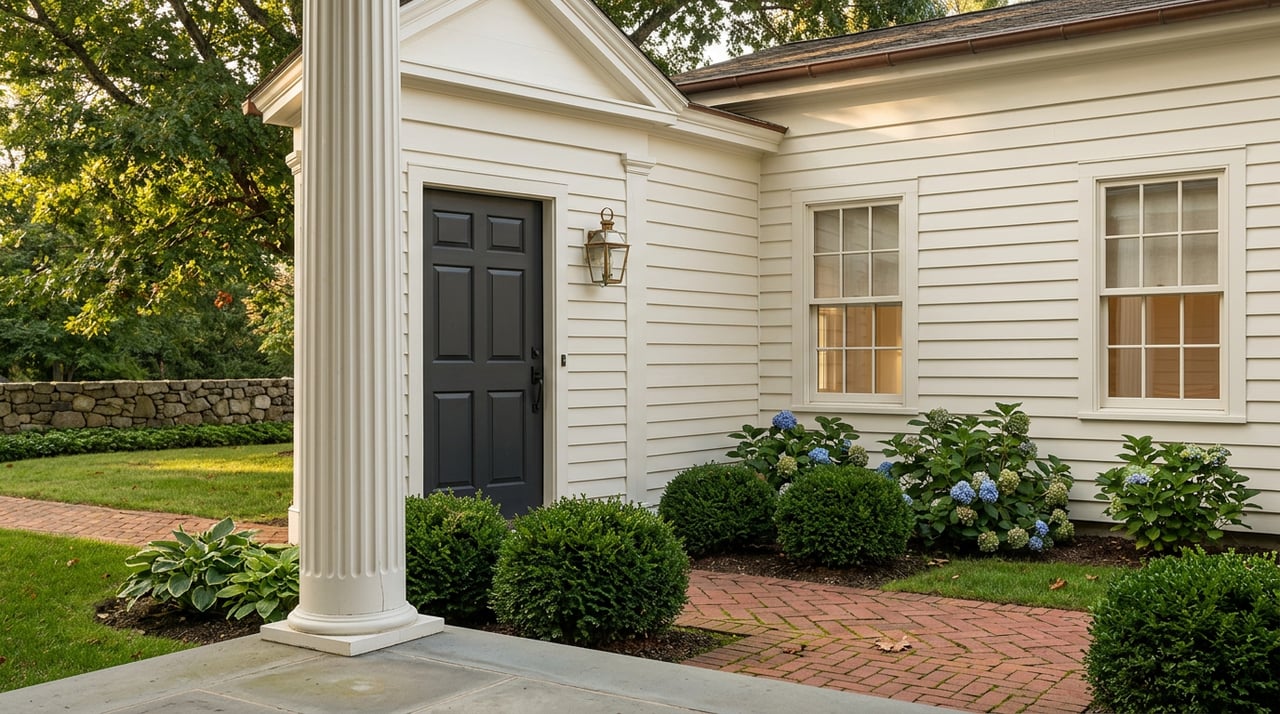
That matters because curved roads, elevation changes, and established plantings can make homes feel more tucked away. In practical terms, you may find that two homes with similar square footage feel very different depending on whether they sit on an interior street, back up to open space, or face a busier route.
Brookline’s Chestnut Hill North Area
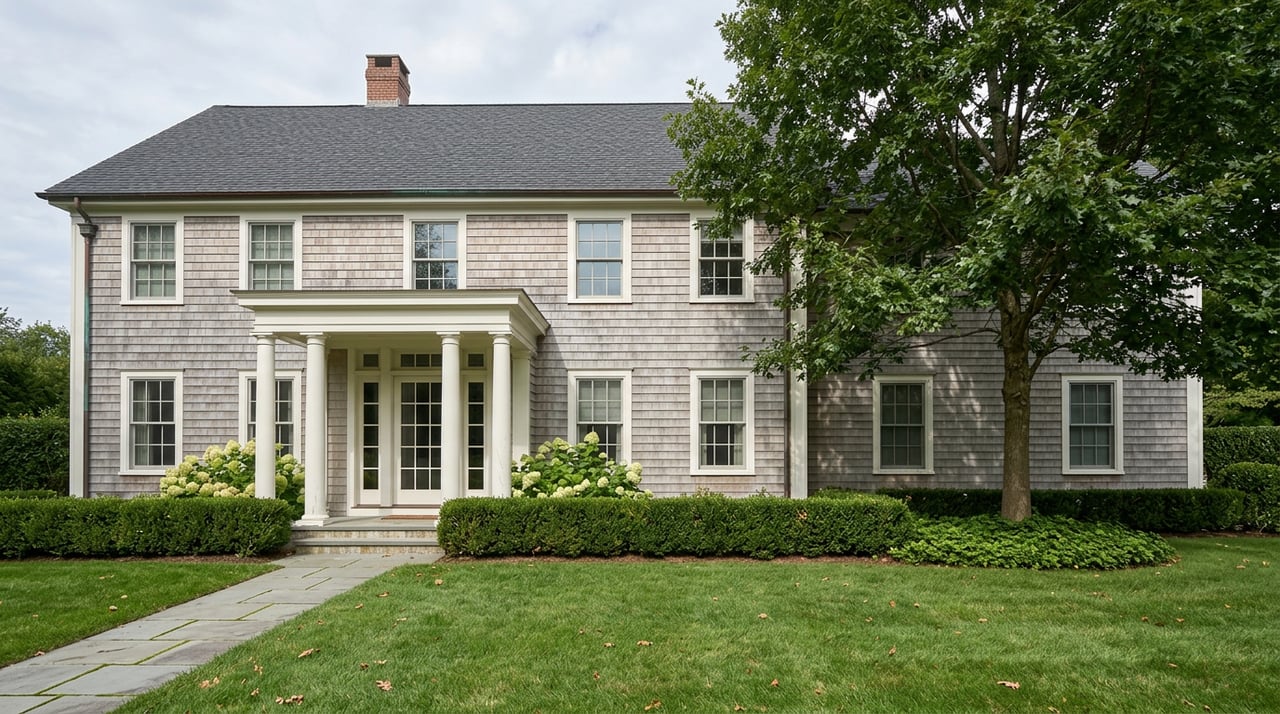
Brookline’s Chestnut Hill North area offers another strong option for buyers who value a residential setting with mature trees and established streetscapes. The local study report notes that the neighborhood remained largely intact even as development pressure increased, and it specifically highlights mature beech, oak, maple, and pine trees in parts of the district.
This is helpful if you are drawn to homes where the landscape already does some of the work of creating privacy. Older trees, wider setbacks, and a predominantly single-family pattern can soften sight lines between homes and add to the sense of separation.
Boston and Brighton Near the Reservoir
On the Boston or Brighton side, the landscape is strongly shaped by the reservoir and surrounding parkland. The Chestnut Hill Reservation covers about 120 acres, includes an approximately 85-acre reservoir, and offers a 1.5-mile paved trail.
This area can feel especially appealing if you want access to water views and a park-like backdrop. At the same time, homes closer to major roads and commercial corridors may offer less seclusion than homes on quieter interior residential streets.
Open Space That Influences Home Feel
Chestnut Hill Reservation
The reservation is one of the defining landscape features in the area. According to the state’s resource management plan, it includes a park-like setting with a carriage drive and extensive plantings, which helps explain why the reservoir edge feels greener and more open than a typical urban corridor.
If you enjoy walking, jogging, or simply having a broad visual buffer nearby, this part of Chestnut Hill may be especially attractive. Even when a home is not directly on the water, proximity to this setting can shape the overall feel of the surrounding blocks.
Webster Conservation Area
On the Newton side, Webster Conservation Area is a major asset. At roughly 230 acres, it is the city’s largest protected open space and stretches between Newton Centre and Chestnut Hill.
The area includes mature forest, Hammond Pond, marshland, Houghton Garden, Old Deer Park, and more rugged terrain in its southwest section. For buyers seeking privacy, homes near this open-space network can offer a meaningful sense of separation from neighboring properties and nearby streets.
Houghton Garden and Connected Trails
Houghton Garden is smaller, but it adds another layer to the local green-space network. The city describes it as a 10-acre parcel with close to a half-mile of trails, wooded surroundings, and connections to Webster Conservation Area and Old Deer Park.
This kind of adjacency matters because privacy is not only about your lot lines. It is also about what sits beyond them, how much tree cover you see, and whether nearby land feels open and natural rather than built out.
Hammond Pond and Nearby Parkland
Hammond Pond Reservation is another part of the broader open-space system. The state describes it as having dozens of trails and notable rock formations.
The Hammond Pond Parkway project materials also note that pedestrian access is relatively limited except near Route 9. That offers an important clue for homebuyers: some nearby areas feel more secluded, while others feel more closely tied to commercial activity and heavier traffic.
Waban Hill Reservoir Area
The city says Waban Hill Reservoir, now Heartbreak Hill Park, was preserved to protect its scenic views and support primarily passive recreation. For buyers, it is another example of how water features, parkland, and residential streets come together in this part of Greater Boston.
When you are evaluating a property, nearby open space like this can affect both your daily lifestyle and the feel of the home itself. A short distance to a quiet park or trail network can make a location feel more peaceful than a map alone might suggest.
Lot Size and Setbacks Matter
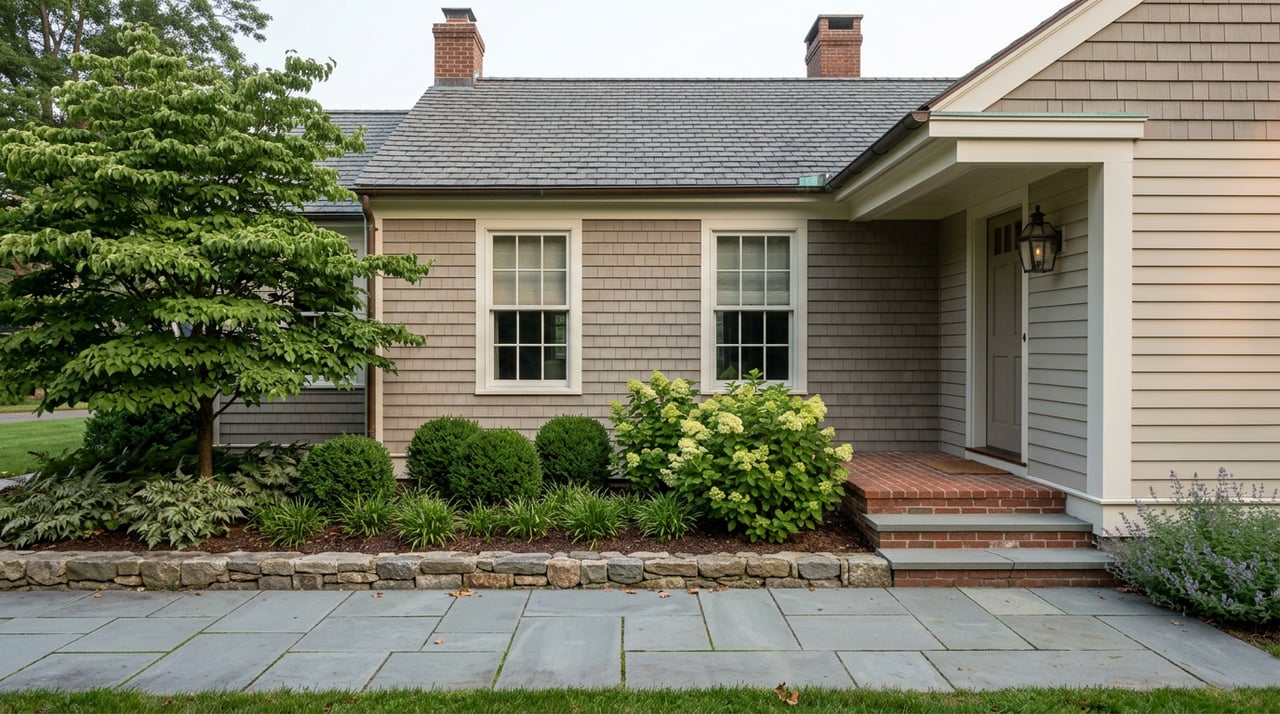
Privacy in Chestnut Hill often comes down to the physical rules that shape each property. Lot size, frontage, and setbacks influence how closely homes sit to one another and how much separation you feel from the street.
In Brookline, the zoning bylaw table shows that non-cluster single-family homes in S-40, S-25, and S-15 districts require minimum lot sizes of 40,000, 25,000, and 15,000 square feet. The same table lists front setbacks of 30, 30, and 25 feet, side setbacks of 20, 20, and 15 feet, and rear setbacks of 50, 50, and 40 feet.
In Newton, the city’s residential district dimensional standards show frontage minimums of 100, 80, and 70 feet in single-family detached districts. For lots created on or after December 7, 1953, required front, side, and rear setbacks are 40, 20, and 25 feet in SR1; 30, 15, and 15 feet in SR2; and 30, 10, and 15 feet in SR3.
The takeaway is simple: broader lots and deeper setbacks can support a stronger sense of space, but the exact age and layout of the lot still matter. That is one reason two homes on the same street can feel surprisingly different.
Where Privacy Is Usually Strongest
If privacy is high on your list, the most appealing homes are often on interior residential streets rather than major through-roads. Properties that back up to conservation land or sit within established historic residential areas may also feel more sheltered.
In Brookline Chestnut Hill North, the local study points to mature tree cover along roads such as Norfolk and Dunster. In Newton, some of the strongest green-space adjacency is around Webster Conservation Area, Houghton Garden, and the Waban Hill Reservoir area. These areas may offer the layered screening that many buyers want, with trees, topography, and open land working together.
As you tour homes, pay attention to details such as:
- Whether the lot backs onto protected open space
- How deep the front setback feels from the street
- Whether neighboring homes sit above, below, or level with the property
- How much mature tree cover remains on the block
- Whether the street is a quiet interior road or a commuter route
Where Convenience Often Increases
Some buyers want privacy but also prefer easier access to shops, major roads, or everyday services. In Chestnut Hill, that often means looking closer to Route 9, Heath Street, Chestnut Hill Avenue, or Hammond Pond Parkway.
These areas can still be desirable, but they may not feel as secluded as interior residential pockets. Brookline’s Chestnut Hill Commercial Area Study focuses on the area between Boylston Street and Heath Street from Dunster Road to the Newton-Brookline border and proposes denser, walkable mixed-use zoning there. That gives buyers a useful signal about where a more active environment may shape the streetscape over time.
Brookline’s Chestnut Hill design guidelines also show how planners have tried to buffer residential areas near commercial edges. The guidelines call for landscape screening between commercial and residential properties and require substantial setbacks for taller buildings near residential properties.
How to Search Smarter
If your goal is privacy and green space, it helps to evaluate each home in layers rather than relying on the address alone. A property may be in Chestnut Hill, but the living experience can be very different depending on the lot, the street, and the land around it.
As you narrow your search, focus on these factors:
- Block location: Interior streets often feel quieter than homes near major corridors.
- Open-space adjacency: Conservation land, reservoirs, and parkland can add visual and physical breathing room.
- Lot dimensions: Wider lots and deeper setbacks may create better separation.
- Topography: Curves, elevation, and wooded slopes can increase privacy.
- Future context: Areas near mixed-use or commercial study zones may evolve differently over time.
For many buyers, the best result is not the most remote property. It is the home that gives you enough privacy while still keeping you close to the places you use every day.
If you want help identifying the streets and settings that best match your priorities, Robin Allen can help you evaluate Chestnut Hill block by block with the local context that makes all the difference.
FAQs
What parts of Chestnut Hill feel most private for homebuyers?
- Homes on interior residential streets, especially those near Webster Conservation Area, Houghton Garden, Waban Hill Reservoir, or within established historic residential pockets, often feel the most secluded.
How does green space affect home value and livability in Chestnut Hill?
- Nearby conservation land, reservoirs, trails, and mature landscaping can enhance daily living and often shape how open, peaceful, and buffered a property feels.
Are all Chestnut Hill homes on large lots?
- No. Lot size and setbacks vary by municipality, zoning district, and the age of the lot, so two nearby homes may offer very different levels of openness and privacy.
Is Brookline or Newton better for privacy in Chestnut Hill?
- Both can offer privacy, but it depends more on the exact street, lot, setbacks, and nearby open space than on the town line alone.
Which Chestnut Hill areas are less secluded but more convenient?
- Homes closer to Route 9, Heath Street, Chestnut Hill Avenue, and Hammond Pond Parkway may offer easier access to amenities and transportation, but they can feel less private than interior residential locations.