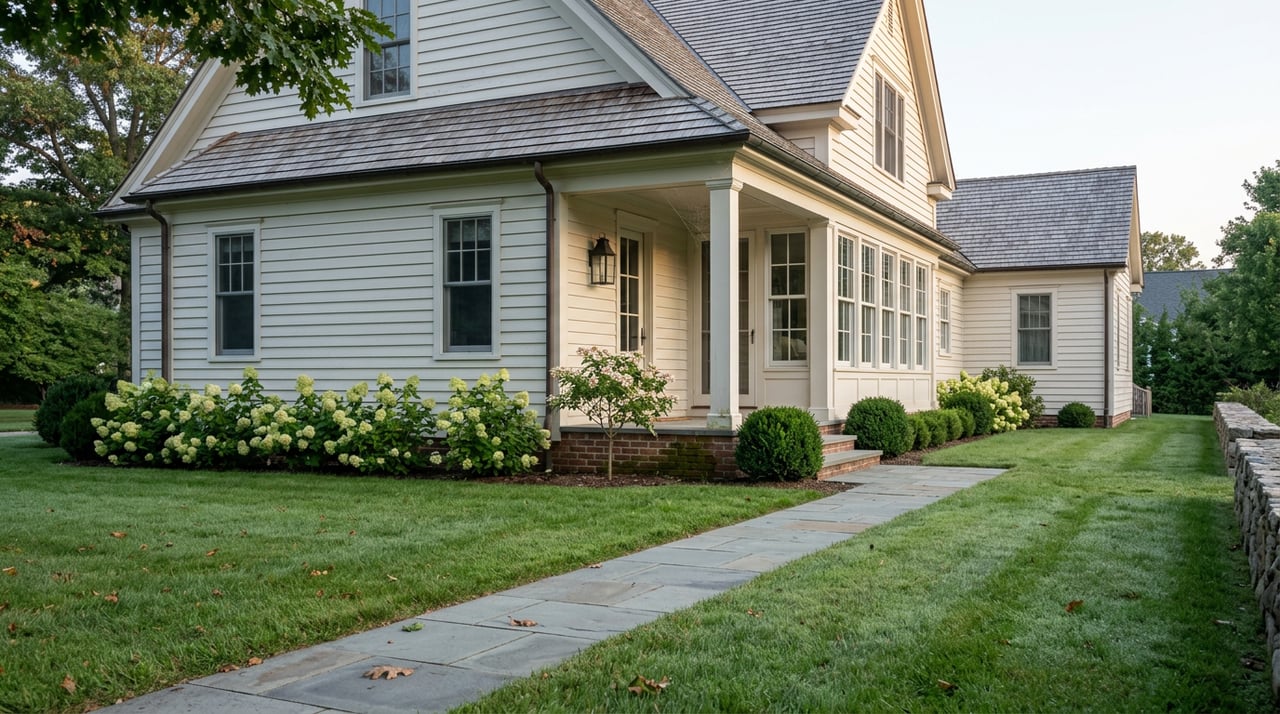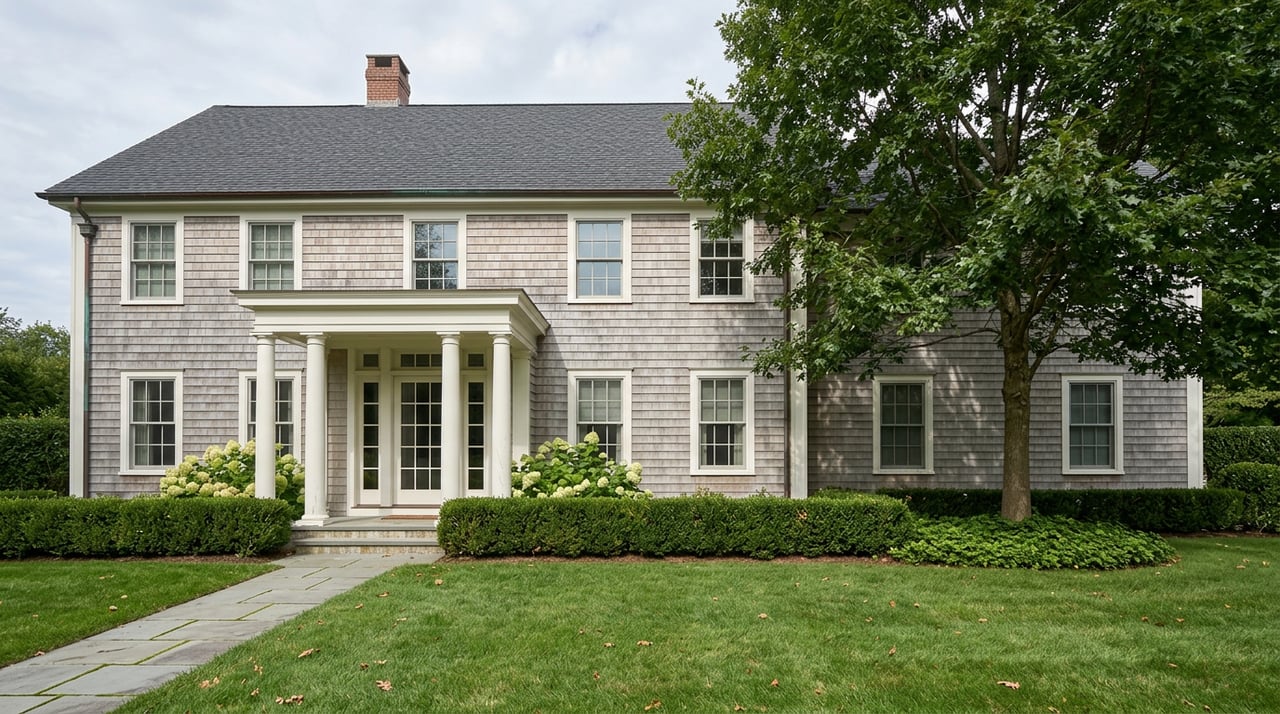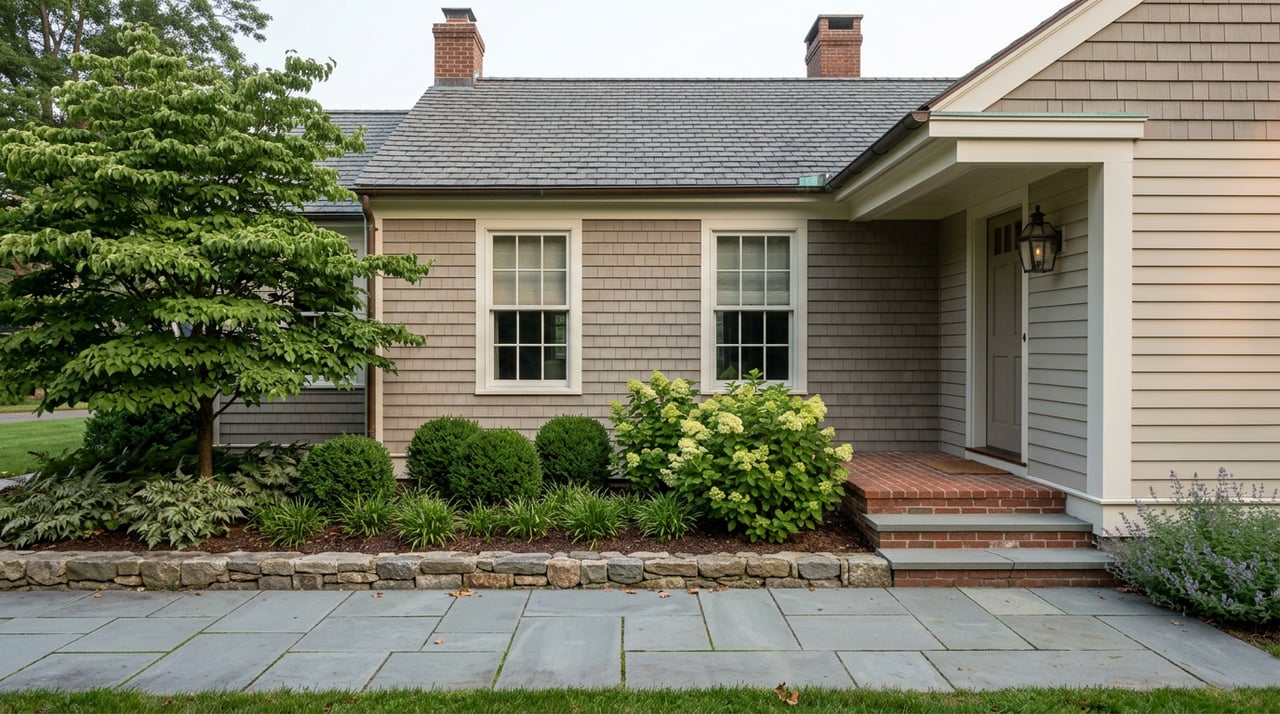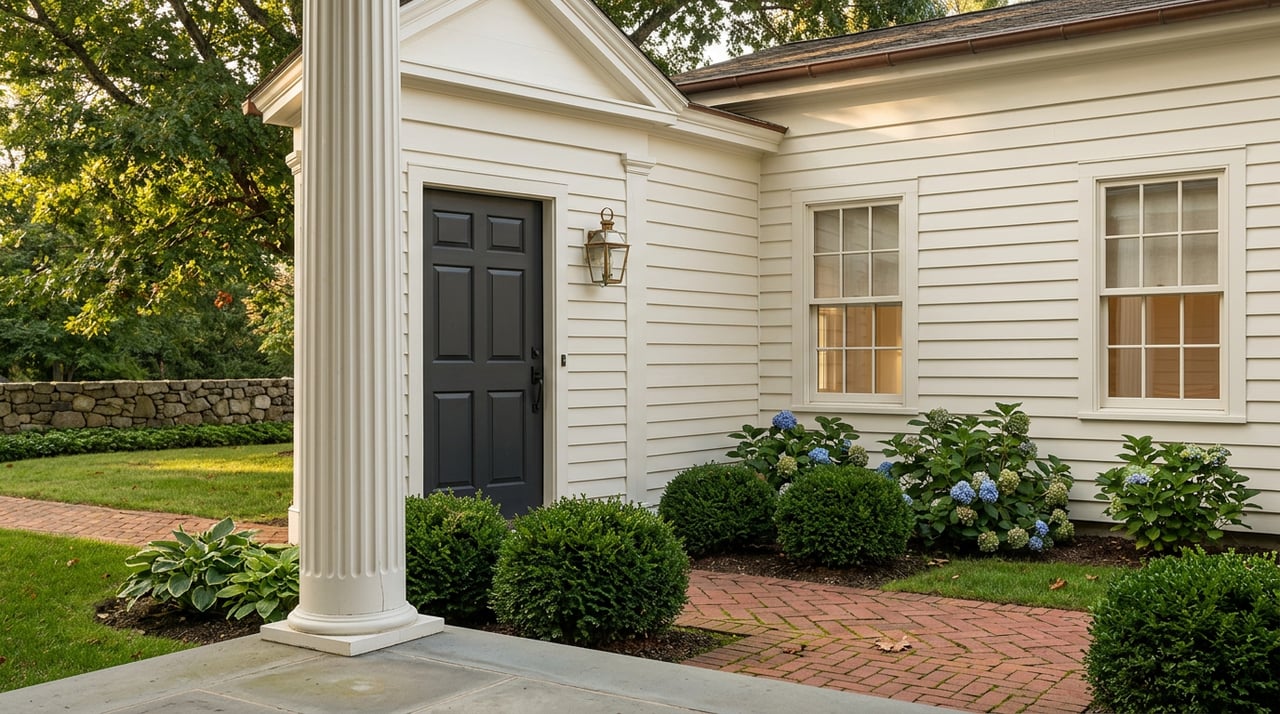
Not all Newton addresses live the same way, and that is exactly what makes the city so appealing. If you are trying to decide where to buy, sell, or simply narrow your search, it helps to know that Newton is not built around one downtown. Instead, it is a city of distinct villages, each with its own mix of housing, daily rhythm, outdoor space, and commute pattern. This guide will help you understand how Newton’s villages differ so you can focus on the places that best match the way you want to live. Let’s dive in.
Why Newton Feels So Different Village to Village
Newton’s planning framework is clear on one important point: the city does not have one central Main Street or a single downtown. Commercial life developed across 13 distinct villages, shaped by rail stops, mills, and major roadways.
That history still shows up in everyday life. Some villages have lively, walkable centers with a broader mix of shops and services, while others feel quieter, more residential, or more tied to major transportation routes. In practical terms, your experience in Newton can vary a lot depending on which village you choose.
Village Types at a Glance
The city groups village centers by scale, and that offers a useful starting point when you compare locations.
- Village centers: Newton Centre, Newtonville, Nonantum, and West Newton
- Neighborhood centers: Auburndale, Newton Highlands, and Upper Falls
- Convenience centers: Oak Hill and Waban
- Gateway center: Newton Corner
Generally, the larger village centers offer a broader day-to-day mix and a more walkable commercial core. Smaller centers may feel more local, quieter, or more focused on quick errands than extended browsing.
Newton Centre: Active and Central
Newton Centre is one of Newton’s larger village centers, and it tends to feel that way in daily life. Its historic core revolves around Newton Centre Common and the village center near Centre Street and Homer Street.
If you want a village where you can head out for coffee, errands, or casual meetings without leaving the neighborhood, Newton Centre often stands out. The housing around the center includes many older homes, and the mix of village activity plus nearby open space gives it a balanced feel.
Outdoor Access in Newton Centre
Newton Centre also benefits from two notable open-space anchors: Newton Centre Common and Crystal Lake. That combination can appeal if you want both a lively village center and close-in recreation.
Newtonville: Classic Rail-Suburb Character
Newtonville is one of Newton’s traditional rail-oriented villages. Its residential fabric is known for large detached houses from the late 19th and early 20th centuries, with styles such as Queen Anne and Colonial Revival playing a major role in the historic district.
The village center has long been tied to the commuter rail station and a compact commercial core. If you are drawn to a classic suburban neighborhood with historic housing character and established commuter roots, Newtonville is one of the clearest examples in Newton.
West Newton: Historic Homes and a Steady Village Core
West Newton blends a long transportation history with a more settled village-center feel. Housing here includes wooden homes on generous lots, with architectural styles ranging from Greek Revival and Italianate to Second Empire and Queen Anne.
Its business center is established but not overly intense, which can make the village feel active without feeling busy in the way a major corridor might. For many buyers, West Newton offers a middle ground between commuter convenience and neighborhood character.
Park Access in West Newton
West Newton also has Farlow Park, which the city describes as its first park. With walkways, courts, ballfields, and a tot lot, it adds a classic neighborhood-park element to the village.
Auburndale: Riverfront Setting and Large Lots
Auburndale is strongly shaped by both the railroad and the Charles River. Its housing includes examples from the late 1840s onward, with Italianate, Second Empire, Shingle, and Colonial Revival styles among the prominent architectural types.
Many properties sit on large suburban lots, which helps define the village’s residential feel. If you are looking for a setting where water, open space, and a more spacious suburban pattern matter, Auburndale is a strong candidate.
Outdoor Life in Auburndale
Auburndale stands out as one of Newton’s clearest riverfront villages. Auburndale Playground, also known as The Cove, sits on the Charles River and adds a strong recreational dimension to the area.
Chestnut Hill: Estate Character and Landscape
Chestnut Hill has one of the most distinctive residential identities in Newton. The area developed into a neighborhood of country estates, and its housing pattern includes large houses on lushly landscaped lots with winding streets that follow the terrain.
Architecturally, Colonial Revival, Georgian Revival, and Shingle styles are prominent. If your priority is a more secluded residential setting with topography, mature landscaping, and a strong sense of landscape design, Chestnut Hill often fits that brief.
Open Space in Chestnut Hill
Chestnut Hill also offers access to larger, more naturalistic green spaces. The area is connected to Hammond Pond and nearby conservation land including Webster Woods and the Cohen Conservation Areas.
Newton Highlands: Village Feel with Green Line Access
Newton Highlands grew quickly once commuter service became reliable in the 1870s, and that transit connection still shapes the village today. It sits on the Green Line D branch, making it especially relevant for buyers who want rail access built into daily life.
The village has a true center, but on a smaller scale than Newton Centre. If you want a neighborhood that feels connected, local, and transit-aware, Newton Highlands is worth a close look.
Waban: Quiet, Leafy, and Rail-Connected
Waban reads as one of Newton’s more residential and leafy-feeling villages. Its center at Beacon Street and Woodward Streets is relatively small, and the village tends to feel quieter and more neighborhood-scaled.
Waban also sits on the Green Line D branch. For buyers who want rail access without a large commercial core, Waban can offer a more tucked-in alternative.
Newton Corner: Transit and Highway Orientation
Newton Corner is different from most of Newton’s other villages. The city classifies it as a gateway center, and its character is closely tied to major transportation infrastructure.
Today, Newton Corner feels more commercial and transit-oriented than most station-centered villages. It has a larger mixed-use footprint and a stronger relationship to highway and express-bus access, which can make it a practical choice if your commute depends more on road connections than rail stops.
Nonantum: Compact and Mixed-Use
Nonantum has a denser, more compact pattern than some of Newton’s better-known rail-suburb villages. Historically, the area developed around early industry on the Charles River, and that history helped shape its close-knit mix of houses, churches, and businesses.
Because Nonantum is classified as a village center, it has a more established commercial core than some smaller Newton villages. If you are looking for a neighborhood with a tighter street pattern and a more mixed-use feel, Nonantum may stand out.
Oak Hill: Postwar Planning and Local Convenience
Oak Hill is notable because an important chapter of its residential identity is relatively recent compared with Newton’s older villages. Oak Hill Park was built after World War II as a planned neighborhood for veterans and included 412 houses, a shopping center, and a school.
As a convenience center, Oak Hill tends to feel more local and edge-of-city in character than the larger village centers. It can be a useful option to study if neighborhood-scale recreation and a more modern planned setting appeal to you.
Upper Falls: Mill-Village History and Trail Access
Newton Upper Falls is one of the city’s oldest villages and still carries a strong mill-village identity. Its historic built environment includes residential, commercial, industrial, and institutional structures dating mostly from the 19th century.
Housing near the old mill and commercial center often includes Federal and Greek Revival worker housing. While its commercial core is smaller than Newton Centre or West Newton, Upper Falls still offers a distinct sense of place and access to the Upper Falls Riverwalk Conservation Area.
How Commutes Change by Village
One of the clearest ways Newton’s villages differ is transportation. Some villages are best understood as rail villages, some are bus-oriented, and others are more tied to car access and major corridors.
If commute time and transit style are high on your list, it helps to sort Newton by how people actually move through it.
Commuter Rail Villages
If you want commuter rail access, the three key villages are:
- Auburndale
- West Newton
- Newtonville
These villages sit on the Worcester/Framingham Line. The city also notes planned accessibility improvements at all three stations, including accessible double-sided platforms, along with an added express bus to Boston in the interim.
Green Line Villages
For Green Line access, the most relevant villages include:
- Chestnut Hill
- Newton Centre
- Newton Highlands
- Waban
- Eliot
- Riverside/Woodland
For buyers comparing station access within Newton, these villages are often the first places to evaluate. Newton Highlands is also undergoing station improvements that include ADA-compliant ramps, level boarding platforms, shelters, lighting, security cameras, and bicycle shelters.
Bus and Highway-Oriented Options
If your routine depends more on express bus service or road access, Newton Corner is especially important. The city lists express routes including 501, 504, 505, 553, 554, 556, and 558, which reinforces Newton Corner’s role as a transportation-focused gateway.
Other local bus connections also shape how villages function day to day. Routes 52, 59, and 60 help connect several village areas to adjacent corridors and destinations.
Which Newton Village Fits Your Priorities?
When you step back, a few broad patterns emerge from Newton’s village geography.
If you want a walkable village center with a broader everyday mix, the city framework points first to Newton Centre, Newtonville, West Newton, and Nonantum. If you want train access, the clearest starting points are Auburndale, West Newton, and Newtonville for commuter rail, and Chestnut Hill, Newton Centre, Newton Highlands, and Waban for Green Line access.
If your priority is larger lots, stronger landscape character, or a more tucked-away residential setting, Chestnut Hill, Auburndale, and parts of Waban are especially worth studying. These are not rankings, but they are useful patterns based on Newton’s own village and transit framework.
A Practical Note on Historic Districts
If you are comparing homes with renovation potential, local historic district rules may matter. Newton’s established Local Historic Districts are Auburndale, Chestnut Hill, Newton Upper Falls, and Newtonville.
That means exterior changes in those districts are reviewed under local preservation rules. For some buyers and owners, that is an important consideration when weighing long-term plans for a property.
If you are sorting through Newton village by village, the most helpful next step is to match your priorities to the city’s actual patterns: daily walkability, home style, outdoor access, and commute type. That kind of clarity can save time and lead you to the neighborhoods that feel right from the start.
If you would like a more tailored view of Newton’s villages, from estate settings in Chestnut Hill to classic rail-suburb neighborhoods and historic districts, Robin Allen can help you evaluate the options with local insight and a thoughtful, highly personalized approach.
FAQs
Which Newton villages have the most walkable village centers?
- Based on Newton’s geography framework, Newton Centre, Newtonville, West Newton, and Nonantum are among the villages with the broadest everyday mix of shops and services.
Which Newton villages have commuter rail access?
- The villages with commuter rail service are Auburndale, West Newton, and Newtonville.
Which Newton villages are on the Green Line?
- Newton villages with Green Line D branch access include Chestnut Hill, Newton Centre, Newton Highlands, Waban, Eliot, Riverside, and Woodland.
Which Newton villages feel more residential and quiet?
- Based on the city’s village patterns, Waban, Chestnut Hill, and parts of Auburndale tend to offer a quieter, more residential feel with smaller or less intensive commercial cores.
Which Newton villages have notable outdoor space nearby?
- Examples include Auburndale for Charles River access and The Cove, Newton Centre for Crystal Lake and Newton Centre Common, Chestnut Hill for Hammond Pond and nearby conservation land, West Newton for Farlow Park, and Upper Falls for the Upper Falls Riverwalk Conservation Area.
Which Newton villages are in local historic districts?
- Newton’s established Local Historic Districts are Auburndale, Chestnut Hill, Newton Upper Falls, and Newtonville.