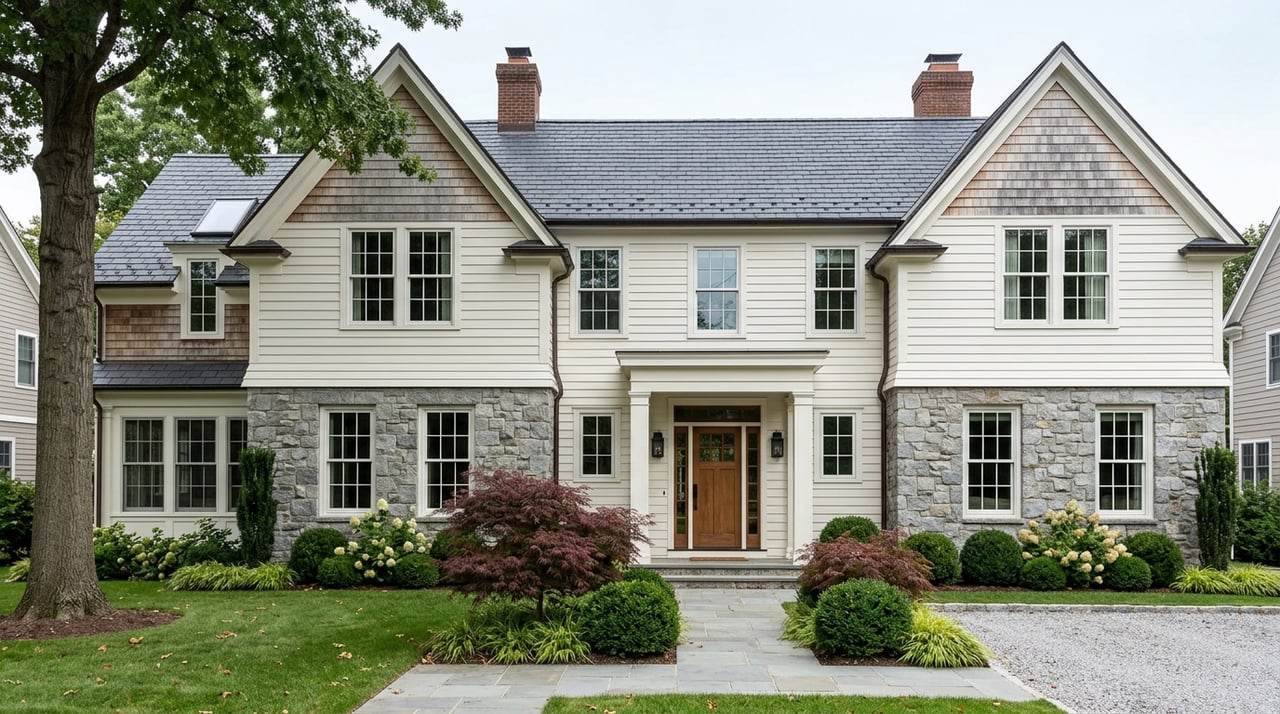
If you are drawn to Chestnut Hill, chances are you are not just shopping for square footage. You are looking for character, setting, and the kind of architectural detail that gives a home lasting presence. In a place known for large lots, mature landscaping, and architect-designed houses, style matters in a very real way. This guide will help you understand the architectural styles that shape Chestnut Hill luxury homes, what makes each one distinctive, and what to consider before you buy or sell. Let’s dive in.
Why architecture matters in Chestnut Hill
Chestnut Hill is best understood as a neighborhood identity that stretches across Boston, Brookline, and Newton rather than a single municipality. That history helps explain why the area feels so cohesive visually, even though local rules and review procedures can differ from one address to the next.
Official local history connects Chestnut Hill’s growth to the extension of Beacon Street and later rail service, which opened the area to Boston and helped transform former farms and woodlots into a suburban district. Much of the luxury housing stock took shape in the late 19th and early 20th centuries, and many homes were designed by architects. In Brookline’s Chestnut Hill North study area, 93 of the remaining 99 houses had architects on file.
For buyers, that means architecture is not a minor detail here. It is one of the main reasons the neighborhood stands out. For sellers, it means your home’s style, integrity, and condition can play a major role in how buyers respond.
The styles that define Chestnut Hill
Shingle style
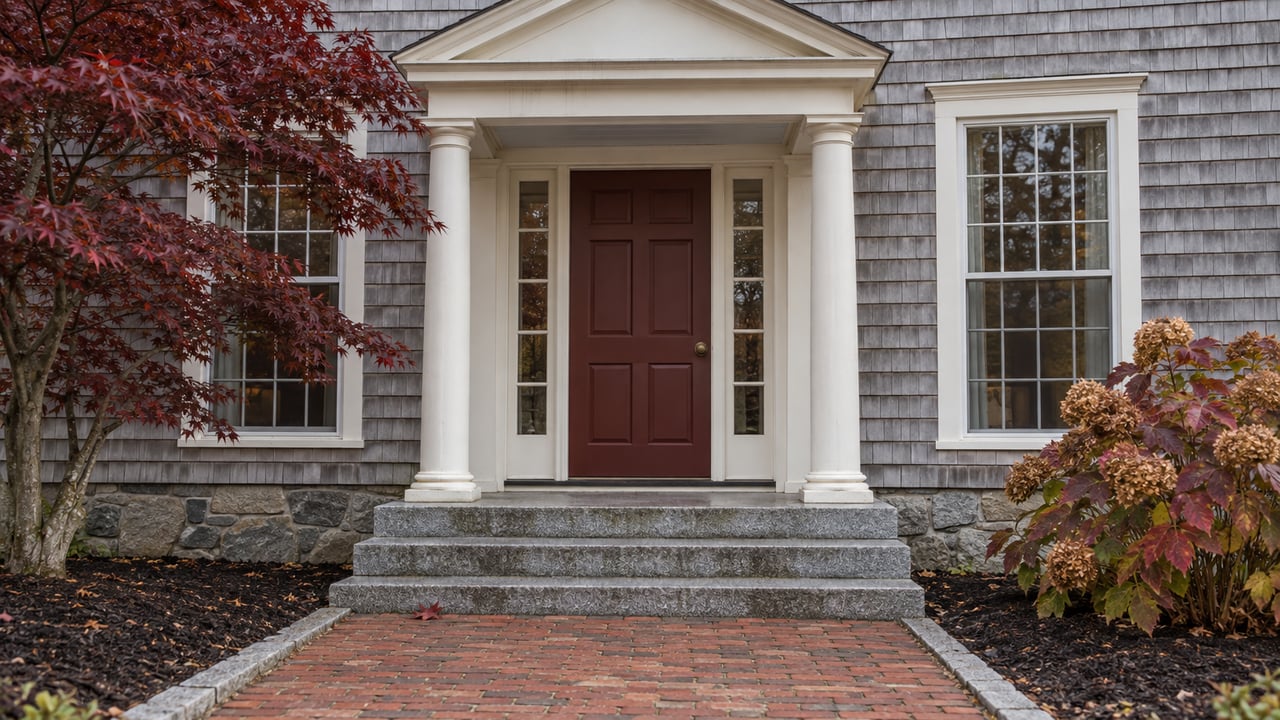
Shingle Style is one of the clearest expressions of Chestnut Hill’s historic character. These homes often feature continuous shingle cladding, asymmetrical massing, bay windows, and steep or gambrel roofs with relatively restrained ornament.
What makes this style so appealing is its balance of scale and softness. Many Shingle homes feel substantial without looking stiff, and some blend in Medieval Revival details that add texture and visual depth. In Chestnut Hill, this style often looks especially at home on large lots with mature trees and natural topography.
Colonial Revival
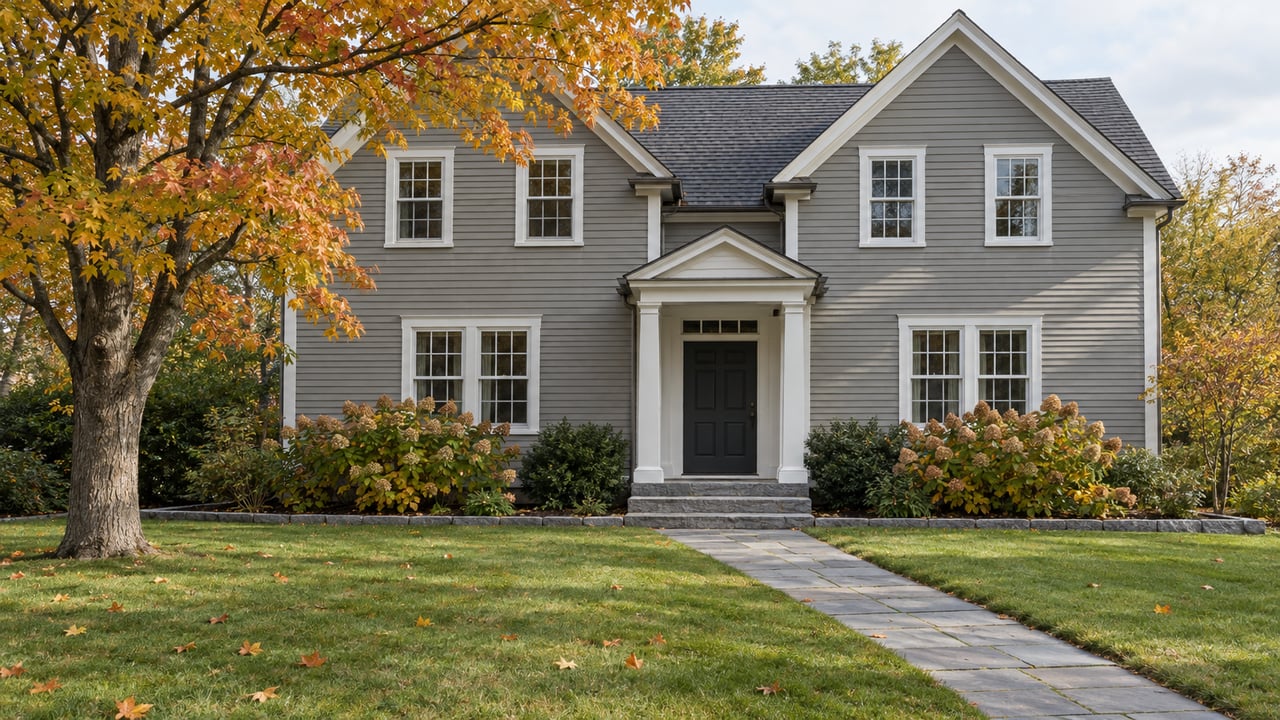
Colonial Revival is one of the dominant historic styles in Chestnut Hill, especially in Newton’s portion of the village. These homes can range from modestly formal to quite grand, but the common design language is consistent and easy to recognize.
Typical features include gambrel roofs, pedimented dormers, fanlights, sidelights, and Palladian or oval windows. Buyers are often drawn to the symmetry and timeless curb appeal, while sellers benefit from a style that tends to read as both elegant and broadly desirable.
Georgian Revival
Georgian Revival also plays a major role in the area’s architectural identity. While closely related to Colonial Revival, it often presents a more formal and balanced exterior composition.
In Chestnut Hill, Georgian Revival homes help define the classic estate feel many buyers associate with the neighborhood. Their orderly facades, traditional proportions, and strong sense of permanence fit naturally within the area’s established streetscapes.
Queen Anne
Brookline’s Chestnut Hill North study identifies Queen Anne as part of the neighborhood’s architectural mix. These homes typically bring more variety in shape and silhouette than Colonial or Georgian Revival houses.
You may see irregular massing, prominent roof forms, bay projections, and a more expressive overall composition. In a luxury market, Queen Anne homes often appeal to buyers who want a historic property with personality and visual drama.
Arts and Crafts
Arts and Crafts homes in Chestnut Hill stand out for their connection to materials, landscape, and indoor-outdoor living. According to Brookline’s study, common features include stucco exteriors, wide eaves, exposed rafter ends, large windows, courtyards, rustic paths, and garden rooms.
This style can feel especially livable because it emphasizes warmth and setting as much as façade. For buyers, that often translates to a home that feels grounded and intentional. For sellers, those site and material details can be part of the property’s strongest story.
Tudor Revival
After World War I, many homes in the area were built on a somewhat smaller scale with American Colonial and Tudor Revival detailing. Tudor homes are usually easy to spot because of their steeply pitched roofs, cross-gables, decorative half-timbering, tall narrow windows, and leaded glass.
In Chestnut Hill, Tudor Revival offers a distinctly romantic and old-world look. It remains popular with buyers who want a home that feels established, detailed, and architecturally expressive.
American Colonial and related traditional forms
American Colonial appears in Brookline’s study as part of the neighborhood’s later historic development. These homes often share some of the familiar traits buyers appreciate in Colonial Revival properties, including traditional rooflines and a straightforward, timeless exterior presence.
While they may not be as ornate as some earlier houses, they contribute to the consistent visual character that helps define Chestnut Hill as a luxury market. Their appeal often comes from proportion, livability, and compatibility with the surrounding streetscape.
Modern and International Style outliers
Modernism is part of the Chestnut Hill story, but it is not the prevailing visual language. Brookline identifies rare International Style houses from 1929 and 1952, including one built of steel and concrete and another with vertical wood panels and a very low-pitched roof.
That matters because it shows that Chestnut Hill has never been limited to one look. Still, if you are picturing the classic local luxury home, modern and mid-century examples are the exception rather than the rule.
What gives Chestnut Hill homes lasting appeal
A major part of Chestnut Hill’s market appeal comes from the way architecture, landscape, and setting work together. Brookline notes that much of the neighborhood remained largely intact in architecture, landscaping, and open space after development was mostly complete before 1929.
Newton describes Chestnut Hill homes as large, lushly landscaped, and often architect-designed. For buyers, that combination creates a sense of continuity that is hard to replicate. For sellers, it reinforces why presentation should highlight not only the house itself but also the lot, approach, and surrounding setting.
Newer custom homes in a historic context
New construction can fit in Chestnut Hill, but usually not by ignoring what is already there. Brookline’s local historic district guidelines say new buildings should respond to prevailing height, width, setback, open space, roof shapes, entrances, porches, fenestration, and materials while still being differentiated from older work.
In practical terms, that means newer custom homes are often judged more by compatibility than imitation. A successful newer home does not have to copy every historic detail, but it should respect the scale and rhythm of the streetscape.
What buyers should check before falling in love
Confirm the municipality
Because Chestnut Hill spans Boston, Brookline, and Newton, your address matters. The same neighborhood identity can sit under different local review systems depending on the parcel.
That is one of the first things to clarify when you are considering a purchase. It can affect what approvals may be needed for future exterior work and how much flexibility you may have.
Ask about historic district status
Not every Chestnut Hill property is covered by the same rules. Newton notes that its Chestnut Hill local historic district does not cover the entire village, and Brookline says most exterior modifications and some landscape changes in its local historic districts require review.
If you are planning renovations, additions, hardscape work, or visible exterior updates, this is not a detail to leave until later. It is best to understand the review context early in your decision-making process.
Understand maintenance expectations by style
Older luxury homes can be rewarding to own, but they usually ask more of you over time. In Chestnut Hill, wood cladding, masonry, stucco, slate roofs, chimneys, and original trim all deserve careful attention.
Historic windows are another major consideration. Guidance cited in the research encourages repair rather than replacement when possible, and Brookline similarly supports retaining original windows and doors or replacing them in kind when repair is not feasible.
Common upkeep issues in historic luxury homes
Masonry and stucco
Masonry and stucco require skilled maintenance, especially when moisture is involved. Compatible materials matter, and even mortar color, texture, tooling profile, and vapor permeability can become important in preservation work.
For buyers, this means inspection findings should be read with a long-term ownership mindset. For sellers, it means thoughtful pre-listing preparation can help reduce buyer hesitation around deferred maintenance.
Slate roofs and chimneys
Original slate and terra-cotta roof elements can be beautiful and long-lasting, but they require informed care. Preservation guidance favors maintaining original roof systems and repairing in kind rather than defaulting to full replacement.
That can be a value point when a roof has been properly maintained, but it can also become a budget question if repair has been deferred. Chimneys and related masonry details deserve the same level of attention.
Exterior equipment and site features
In a neighborhood where architecture and setting are closely linked, site work matters almost as much as the house itself. Newton emphasizes that Chestnut Hill homes were intended to fit the topography among rocky outcroppings and tall trees, and Brookline treats items like fences, walls, lighting, driveways, and visible exterior alterations as reviewable elements in its district context.
Mechanical systems also need careful placement. Brookline’s guidance prefers HVAC equipment, conduits, and other visible systems to be placed out of view when possible.
Why this matters when selling a Chestnut Hill home
If you are selling a luxury home in Chestnut Hill, your property’s architectural identity should shape the entire marketing strategy. Buyers in this market are often responding to more than finishes. They are responding to pedigree, setting, proportions, craftsmanship, and how well a home fits the surrounding neighborhood.
That is why preparation matters. The right presentation can help buyers understand whether a home is a classic Colonial Revival, a richly textured Shingle house, or a distinctive Tudor, and why those details support value.
It also helps to anticipate practical questions. Buyers often want to know which municipality the home is in, whether any local review may affect future plans, and how much upkeep the exterior may require.
The bottom line on Chestnut Hill style
Chestnut Hill luxury homes are defined by more than size or price point. Their identity comes from a rich concentration of late-19th- and early-20th-century architecture, especially Shingle, Colonial Revival, Georgian Revival, Queen Anne, Arts and Crafts, and Tudor Revival homes, with a small number of modern outliers adding variety.
What makes the neighborhood special is how those styles sit within intact streetscapes, generous lots, and mature landscapes across Boston, Brookline, and Newton. If you understand both the design language and the local review context, you will be much better prepared to buy wisely, preserve value, or bring a significant home to market with confidence.
If you are thinking about buying or selling a distinctive home in Chestnut Hill, Robin Allen can help you evaluate architectural character, positioning, and market strategy with the local insight this area deserves.
FAQs
What architectural styles are most common in Chestnut Hill luxury homes?
- The most common historic styles include Colonial Revival, Georgian Revival, and Shingle, with Queen Anne, Arts and Crafts, American Colonial, Tudor Revival, and a few rare International Style homes also part of the mix.
Does every Chestnut Hill home follow the same historic rules?
- No. Chestnut Hill spans Boston, Brookline, and Newton, and review rules depend on the property’s municipality and whether it falls within a local historic district.
What should buyers ask before purchasing a historic home in Chestnut Hill?
- Buyers should confirm the municipality, check whether the home is in a local historic district, and understand likely maintenance needs for windows, roofing, stucco, masonry, and visible exterior features.
Are newer custom homes allowed in Chestnut Hill?
- Yes. In Brookline’s district guidance, new homes should be compatible with surrounding scale, setback, massing, and materials, but they do not need to copy historic homes exactly.
Which Chestnut Hill home features usually need the most maintenance?
- Older wood-clad exteriors, original windows, slate roofs, masonry joints, stucco surfaces, chimneys, and detailed trim typically require the most careful long-term upkeep.
Why do Chestnut Hill luxury homes attract so much buyer interest?
- Buyer appeal often comes from the combination of architect-designed homes, intact historic streetscapes, mature landscaping, privacy, and a long-established suburban setting close to Boston.