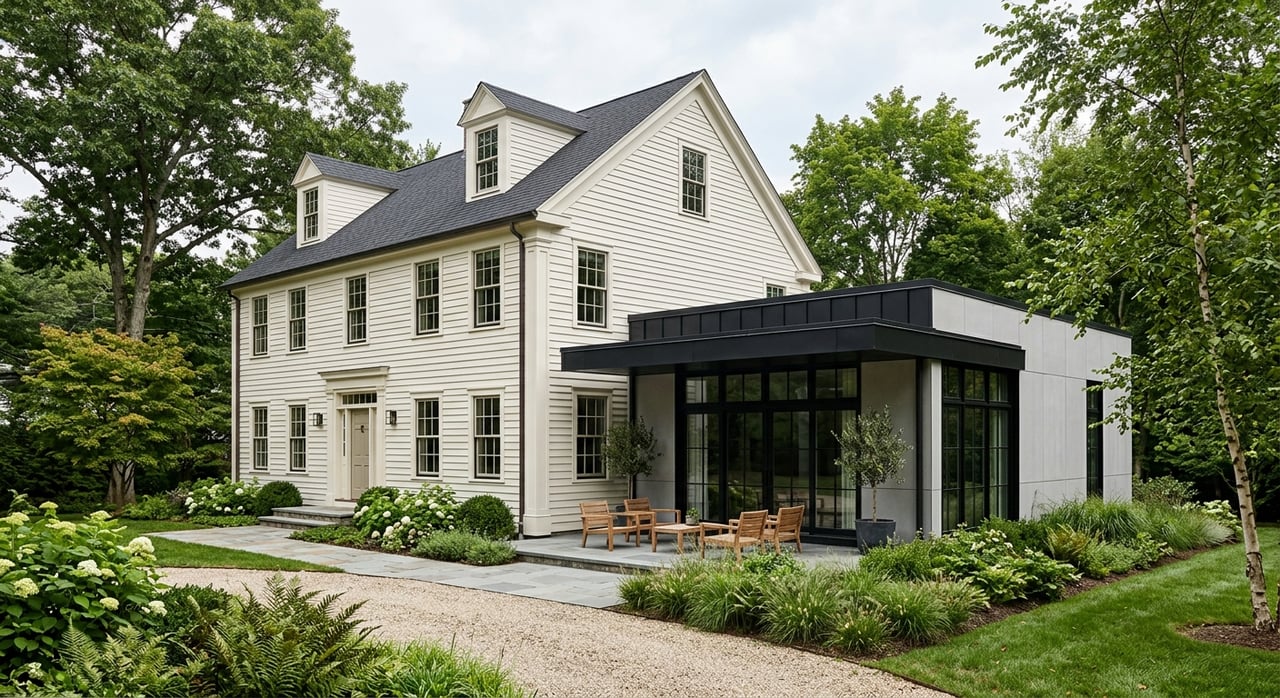
If you are weighing new construction versus a classic home in Brookline, you are not choosing between good and bad. You are choosing between two very different ownership experiences in one of Greater Boston’s most established and competitive housing markets. The right fit depends on how you live, how much project complexity you want to take on, and what kind of long-term flexibility matters most to you. Let’s take a closer look.
Brookline Housing Has a Distinct Context
Brookline is a compact, built-out suburb about four miles from downtown Boston. The Town describes it as a mature residential community with urban characteristics, and that helps explain why the housing conversation here feels different than it does in areas with more open land.
In Brookline, new housing is usually not subdivision-style development. According to the Town’s 2024 Housing Production Plan, most opportunities for additional housing are infill, corridor-based, or tied to specific redevelopment projects. That means buyers are often comparing a newly built or heavily renovated home against a much older property in an established setting.
That setting matters. Brookline’s housing stock is relatively old, with the Town reporting that more than half of its homes were built before 1939. At the same time, this remains a premium market, with the Town reporting median assessed values above $1.5 million for single-family homes and $662,650 for condominiums, while Redfin reported a median sale price of about $1.4 million for Brookline homes over the three months ending May 2026.
What a Classic Brookline Home Usually Offers
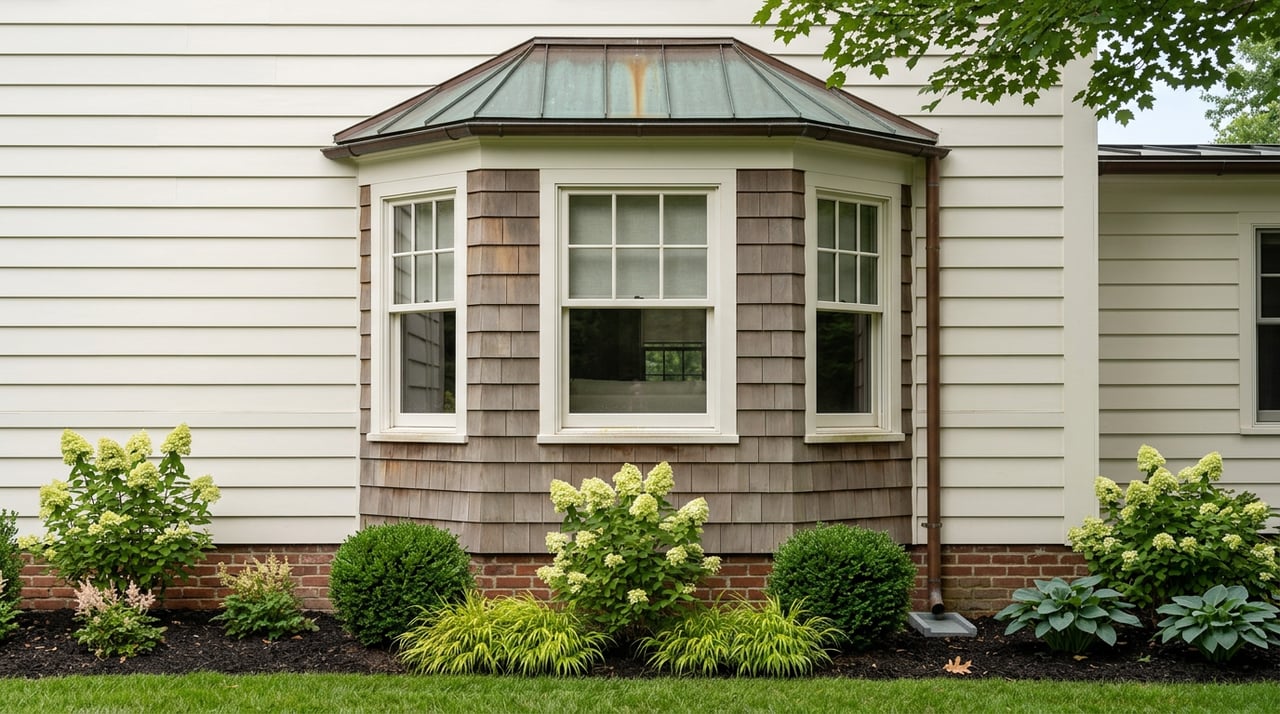
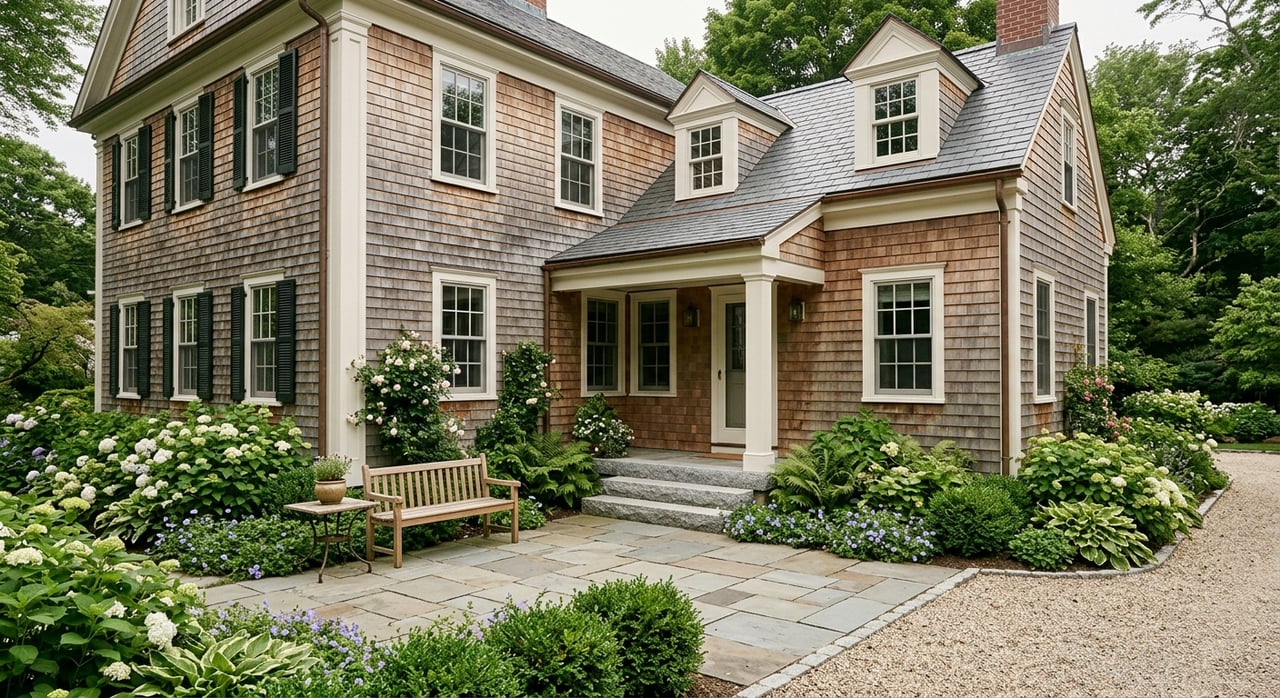
In Brookline, a classic home is not one single style. Depending on the area, you may see Queen Anne, Colonial Revival, Shingle-style, Tudor Revival, Georgian Revival, Greek Revival, Italianate, and Arts and Crafts architecture, among others.
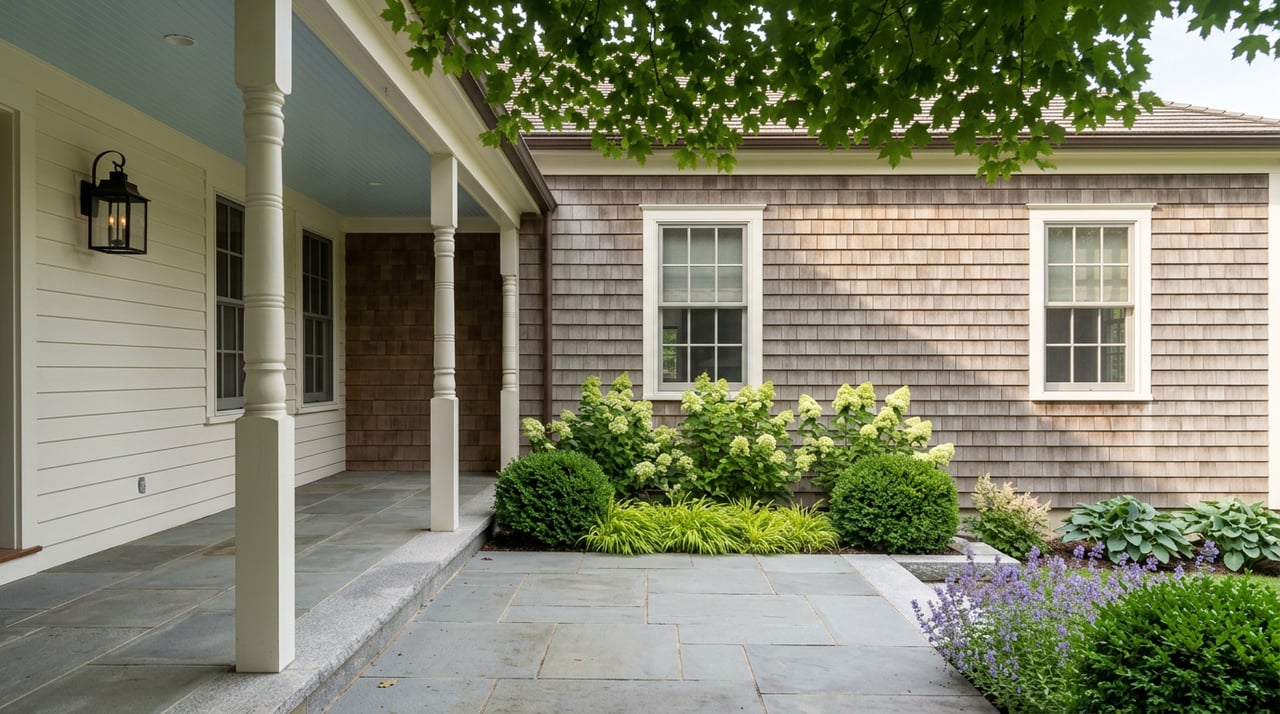
That range is part of the appeal. Many classic Brookline homes offer architectural detail, strong street presence, landscaped lots, and mature trees that help create a settled, established feel. In areas such as Chestnut Hill North, the Town notes that lots often retain natural contours and trees that are more than 100 years old.
For many buyers, this is what makes older Brookline homes special. The value is not just decorative trim or historic style. It is also the way the home sits on the lot, relates to the street, and contributes to a cohesive neighborhood setting.
Character Often Comes With Constraints
Classic homes can be deeply appealing, but they may also come with more rules than buyers expect. In Brookline’s Local Historic Districts, many exterior changes and some landscape changes require review.
The Town also has a demolition-delay process. If a building is found to be significant, a proposed demolition can be delayed by up to 12 months, or 18 months for properties on the National or State Register. If you think you may want to expand, rework the exterior, or rebuild in the future, these rules should be part of your decision before you buy.
Maintenance Is a Real Consideration
Brookline’s older housing stock can require more upkeep. The Town’s housing plan states that older buildings are often more expensive to maintain and operate.
That does not mean a classic home is the wrong choice. It means you should go in with a clear view of likely maintenance needs, aging systems, and the possibility of phased improvements over time.
What New Construction Means in Brookline
In Brookline, new construction often looks different than buyers expect. It may mean redevelopment, infill construction, additions, conversions, or major reconfiguration rather than building on a large empty lot.
The Town reported that in 2024 it approved 217 new housing units, including 108 net new units. The remaining net-new units came from smaller residential redevelopments, garage or outbuilding conversions, basement conversions, an added floor on an existing building, and one additional unit added to a single-family home.
That tells you something important about this market. Newer homes in Brookline are often created within existing neighborhood patterns, not outside them.
New Homes Usually Benefit From Current Codes
Brookline points to the state building code along with its energy-code bylaw and the Residential Stretch Energy Code and Specialized Opt-in framework. Massachusetts’ current building energy code base is IECC 2021 with state amendments.
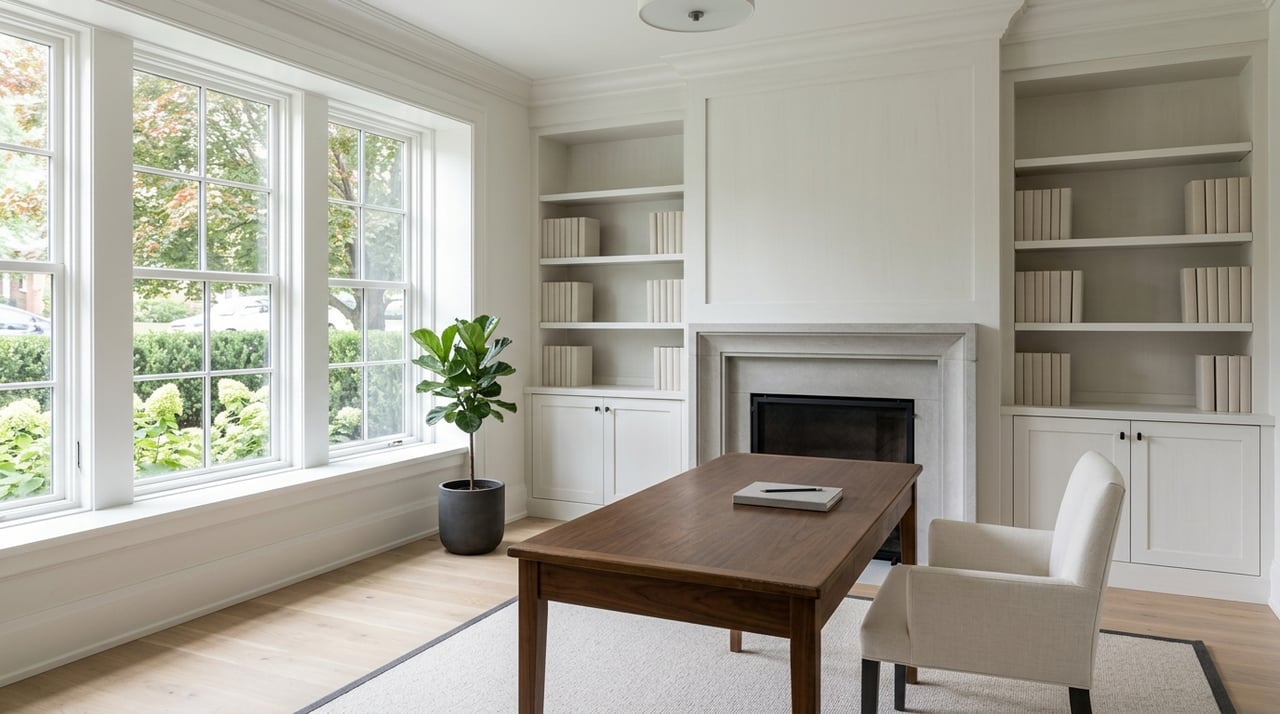
In practical terms, newer homes are usually built to more demanding energy-performance standards than older homes were originally designed for. While that does not guarantee the same result in every finished home, it does help explain why many buyers associate new construction with improved efficiency and lower near-term upgrade needs.
Permitting Still Matters
Even when a home is newly built or newly reworked, the path to get there can be layered. Brookline’s Building Department states that permits are required for construction, reconstruction, alteration, repair, removal, or demolition.
The Town says general building permit review often takes 7 to 10 days, while larger commercial projects and new one- and two-family dwellings may take the full 30 days. For larger or more visible projects, site-plan and review processes can add more steps.
Tree Rules Can Shape the Final Result
Brookline’s Tree Preservation Bylaw can affect what happens on private property during construction. As of March 27, 2025, the bylaw applies to trees 6 inches DBH or greater and requires a Tree Impact and Removal Permit before construction, demolition, site clearing, or excavation.
If protected trees are within 30 feet of planned work, a Tree Protection & Mitigation Plan is also required. For buyers considering new construction or a major renovation, that can influence lot layout, outdoor design, and how much of the site can realistically be reshaped.
New Construction Versus Classic Homes
Both options can be compelling in Brookline. The difference usually comes down to your priorities.
| Consideration | New Construction | Classic Home |
|---|---|---|
| Condition | Often offers more turnkey living at move-in | May require updates or phased repairs |
| Energy standards | Usually built under current code framework | Often improved later through upgrades |
| Architecture | Cleaner lines and more modern layouts are common | Period detail and craftsmanship often stand out |
| Outdoor setting | Can feel more tailored but more regulated during development | Often benefits from mature trees and established landscaping |
| Future changes | Depends on permitting, site review, and tree rules | May also involve historic review and demolition-delay rules |
| Buyer mindset | Often best for lower near-term hassle | Often best for buyers who value character and can accept more complexity |
How to Decide What Fits You Best
If you are choosing between the two, it helps to focus less on style labels and more on daily ownership. A beautiful classic home and a polished new home can both be strong choices, but they ask different things of you.
You May Prefer New Construction If
- You want a more turnkey move-in experience
- You want a home built under current energy-code standards
- You prefer fewer immediate repair or system concerns
- You value newer layouts, finishes, and infrastructure
- You want to reduce the chance of a major renovation soon after purchase
You May Prefer a Classic Home If
- You value original detail, craftsmanship, and architectural presence
- You are drawn to established streetscapes and mature landscaping
- You are comfortable planning for maintenance over time
- You may be open to thoughtful updates rather than expecting perfection on day one
- You understand that historic or demolition-related review may affect future changes
Brookline-Specific Questions to Ask Before You Buy
In Brookline, the smartest question is often not simply, “Which home is nicer?” It is, “What will ownership look like after closing?”
Before you commit, consider asking:
- Was the home built or renovated with permits that match the current condition?
- Is the property in a Local Historic District?
- Would future additions or exterior changes require historic review?
- Could demolition-delay rules affect future plans?
- Are there protected trees on the lot or near planned work areas?
- If the home is older, what systems may need attention sooner rather than later?
- If the home is newer, how did site constraints shape the design, yard, and outdoor use?
These questions matter because in Brookline, location and architecture are only part of the story. The real difference often comes down to your comfort with maintenance, regulation, and long-term flexibility.
The Bottom Line for Brookline Buyers
Brookline offers a rare mix of architectural depth, established neighborhood character, and limited opportunities for new housing. That is why the choice between new construction and a classic home is so personal here.
If you want lower near-term hassle, newer systems, and a home shaped by current code standards, new construction may feel like the better fit. If you care most about period detail, mature landscaping, and the kind of streetscape that only time can create, a classic Brookline home may be worth the added complexity.
The key is to match the property to your priorities, not just your wish list. If you want experienced guidance on how a specific Brookline property fits your goals, Robin Allen can help you evaluate the details with a clear, local perspective.
FAQs
What counts as new construction in Brookline?
- In Brookline, new construction often includes infill development, redevelopment, additions, and conversions rather than large-scale neighborhood subdivisions.
What makes classic Brookline homes different from newer homes?
- Classic Brookline homes often stand out for period architecture, mature landscaping, and established streetscapes, while newer homes usually appeal for condition, updated systems, and current code standards.
Do historic rules affect Brookline home renovations?
- Yes. In Local Historic Districts, many exterior changes and some landscape changes require review, and demolition-delay rules may also affect future plans.
Are older Brookline homes more expensive to maintain?
- Brookline’s housing plan states that older buildings are often more expensive to maintain and operate, so buyers should plan for a higher likelihood of ongoing upkeep.
Is new construction easier to live in than a classic Brookline home?
- For many buyers, yes, because newer homes often reduce near-term maintenance and are built under more current energy and building code frameworks.
Why is new construction limited in Brookline?
- Brookline is a compact, built-out community, so most new housing opportunities are project-specific, infill, or corridor-based rather than large-scale ground-up development on open land.