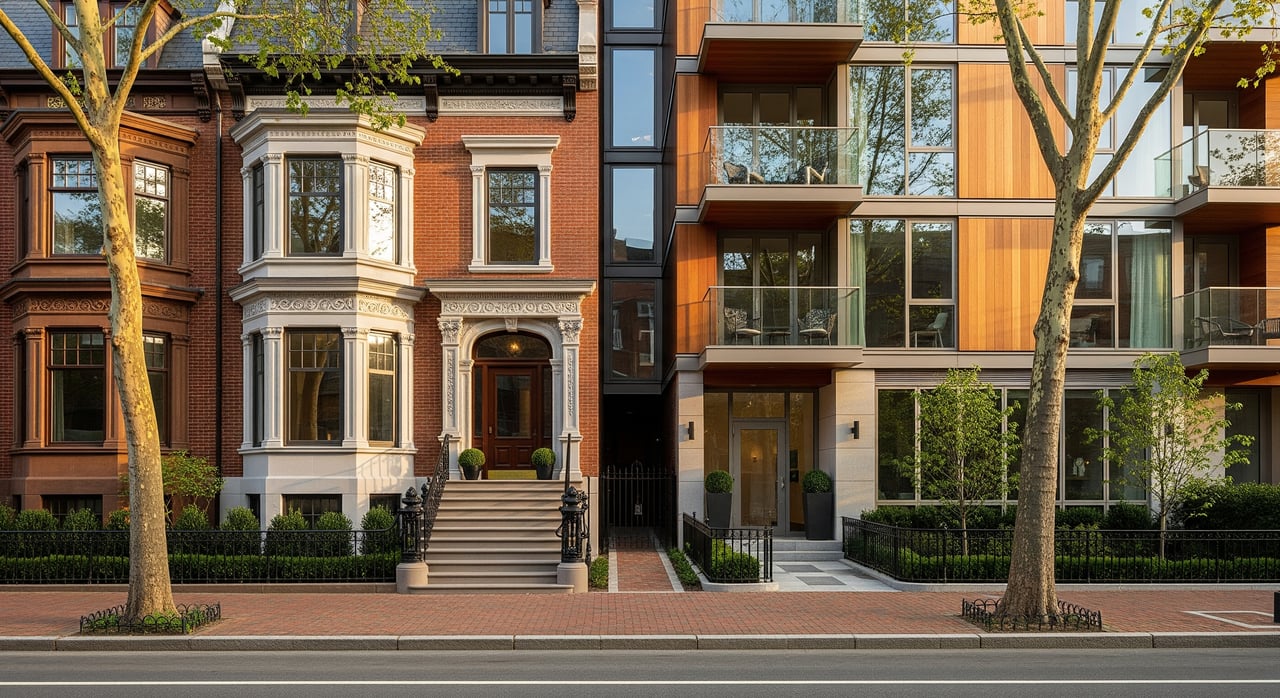
Trying to choose between a condo and a single-family home in Brookline? You are not alone. With great transit, limited lot sizes, and a fast-moving market, the tradeoffs can feel complex. In this guide, you will compare costs, space, parking, outdoor living, and daily convenience, then use a simple checklist to make a confident decision. Let’s dive in.
Brookline vs. Norfolk: Context matters
Brookline is an inner-ring town that borders Boston with strong MBTA access and a dense mix of housing. You will find older walk-up condos, brownstone conversions, and detached homes on smaller lots. The Town of Brookline’s site offers helpful context on services, permits, and local rules.
Transit and walkability are a major advantage in Brookline. The MBTA Green Line and bus routes serve key neighborhoods, and many streets are lined with shops and parks. You can compare walkability across areas using Walk Score’s Brookline pages.
If you look farther out to Norfolk, you will see larger lots and lower density. Norfolk has commuter rail service at the Norfolk station, but you will likely rely on a car for errands. The Town of Norfolk site is a good starting point for local services.
Cost basics: Price, taxes, and monthly costs
Purchase price and taxes are only part of the picture. In Brookline, condos often have lower entry prices than single-family homes in the same walkable location, but monthly fees add to carrying costs. For property tax information, visit the Brookline Assessor’s Office.
- Condos: Monthly fees usually cover building insurance, exterior maintenance, snow removal, and sometimes heat, water, or sewer. Services vary by building and amenities. Review the budget, reserve fund, and any planned assessments before you commit.
- Single-family: You cover all maintenance directly. Budget for roof, exterior, landscaping, snow removal, and systems. Costs will vary by age, size, and condition, especially in a New England climate.
Insurance works differently for each option. Condos use a master policy for the building, while unit owners carry a separate policy for interior finishes and contents. Ask whether the condo’s master policy is all-in or bare-walls and how deductibles work under the Massachusetts Condominium Act.
Space, parking, and outdoor living
Space and layout. Brookline condos tend to maximize location and convenience, with efficient floor plans and limited storage. Single-family homes offer more interior flexibility, multi-level layouts, and potential for future changes, subject to local zoning.
Outdoor areas. Condos may offer balconies, shared courtyards, or roof decks. Single-family homes provide private yards, though Brookline lots are often smaller than farther-out suburbs. If a large yard is a priority, consider areas with more land or look to Norfolk for bigger lots.
Parking. On-site parking is limited in many Brookline neighborhoods. Some condos include deeded garage or surface spaces, and some sell parking separately. For street parking rules and resident permits, consult Brookline Parking and Transportation.
Maintenance and day-to-day lifestyle
Condos reduce hands-on exterior work, which is helpful if you travel or prefer a low-maintenance lifestyle. Your tradeoff is a monthly fee and shared decision-making with the association.
Single-family homes give you control over upgrades, landscaping, and schedules. They also require more time and budget for upkeep. If you enjoy DIY projects or want custom outdoor space, a detached home can be a strong fit.
Condo due diligence: What to review
Governance and documents
Request the master deed and bylaws, budget, recent financial statements, reserve study if available, meeting minutes, insurance policy, and rules on pets, rentals, and renovations. Understanding rights and obligations under the Massachusetts Condominium Act is essential.
Building condition and systems
Ask about the age and condition of roofs, windows, boilers, elevators, and façade. In older masonry buildings, plan for periodic capital projects that can trigger special assessments.
Parking and storage specifics
Confirm whether parking is deeded or assigned, how guest parking works, and what storage or bike rooms are available. Details matter in a car-light lifestyle.
Insurance and financing
Clarify what the master policy covers and how deductibles are handled. If you plan to use FHA or VA financing, verify project approval with your lender early.
Single-family watchouts in Brookline
Permits, zoning, and additions
If you plan to renovate, consult the Brookline Building Department for zoning, permits, and review processes. Lot sizes and districts can limit expansions, dormers, or conversions.
Yard work, trees, and stormwater
Exterior changes must follow local rules on stormwater and tree protection. The Town of Brookline provides guidance on permits and conservation-related reviews.
Neighborhood micro-guides
Coolidge Corner
A lively retail and dining hub with excellent Green Line access and many older multi-unit buildings. Expect strong walkability, limited on-site parking, and options ranging from walk-up condos to smaller single-family homes near the center.
Brookline Village and Washington Square
Two village centers with restaurants, services, and transit. You will find a mix of brownstones, condos, and single-family homes on tree-lined streets.
Chestnut Hill and Beaconsfield
Western Brookline offers a more suburban feel with some larger lots and driveways, while remaining close to Boston and transit. Single-family homes are more common here.
Reservoir, JFK Crossing, and Pill Hill
Primarily residential areas with access to parks and the Green Line. Housing includes both condos and detached homes on quieter streets.
South Brookline and the Longwood area
Close to medical and university areas with a range of condos and rentals. Parking and traffic patterns are key considerations, especially for shift schedules.
For school calendars, district contacts, and services, visit Brookline Public Schools. Use neutral, fact-based information to guide your decision.
Your step-by-step decision framework
- Mobility and daily life. Do you want immediate access to shops, parks, and transit? If yes, prioritize walkable Brookline neighborhoods near the Green Line.
- Parking and vehicles. Do you need guaranteed parking or multiple spaces? If yes, focus on single-family homes or condos with deeded parking.
- Outdoor space. Is private yard space essential for gardening, pets, or outdoor dining? If yes, lean toward a single-family home or consider areas with larger lots.
- Maintenance and time. Do you prefer lower exterior maintenance? If yes, a condo may fit your lifestyle.
- Monthly budget. Compare total costs: mortgage, taxes, insurance, and HOA fees for condos versus mortgage, taxes, insurance, and estimated maintenance for a single-family.
- Resale and liquidity. In prime Brookline locations, well-managed condos can resell efficiently. Scarcer single-family homes can command premiums, especially when well maintained.
- Financing constraints. If you plan FHA or VA financing, confirm condo project eligibility early to avoid surprises.
Quick rules of thumb
- Choose a condo if you value transit, walkability, and lower exterior maintenance within a similar location.
- Choose a single-family in Brookline if you want private outdoor space, more interior flexibility, or the ability to customize, subject to permits.
- Consider Norfolk if you prefer larger lots, more driveway parking, and a more suburban setting with commuter rail access.
Get local guidance you can trust
Choosing between a condo and a single-family home in Brookline comes down to how you live day to day. If you want a clear, data-minded plan for your search, I will help you weigh costs, downsides, and upside across specific buildings and streets, then coordinate the right inspections and documents.
Ready to map your options and tour targeted homes? Connect with Robin Allen to request a private consultation.
FAQs
What do Brookline condo fees usually cover?
- Fees often cover exterior maintenance, building insurance, common utilities, snow removal, and sometimes heat or water. Review the budget, reserve fund, and any planned assessments.
How does street parking work for Brookline condos?
- Many streets require resident permits and have specific rules. Check current guidance through Brookline Parking and Transportation.
What condo documents should I see before I buy?
- Ask for the master deed and bylaws, budget, recent financials, reserve study, meeting minutes, insurance policy, and rules on pets, rentals, and renovations.
Are condos harder to finance than houses?
- Lenders may review the condo project’s financials and owner-occupancy; confirm requirements early, especially if you plan FHA or VA financing.
What are hidden costs of a single-family home in Brookline?
- Plan for roof and exterior work, snow removal, landscaping, and system upgrades; older homes may require near-term maintenance.
Where can I find local rules for renovations or additions?
- Start with the Brookline Building Department for permits, zoning, and review processes.