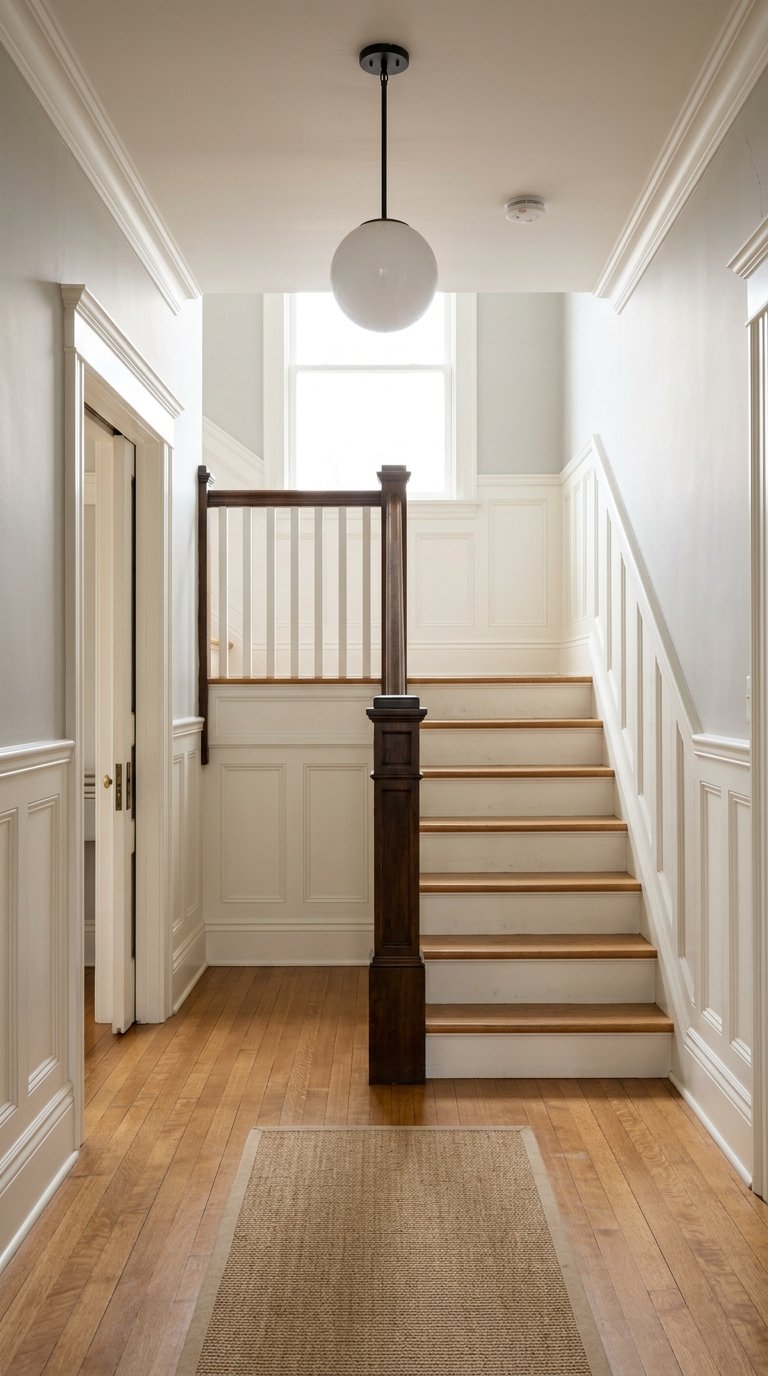
Wondering whether you can modernize a historic home in Chestnut Hill without losing what makes it special? You are not alone. Many buyers are drawn to the scale, craftsmanship, and setting of these homes, but they also want updated systems, better comfort, and a clear path through local approvals. The good news is that you can do both when you plan carefully and verify the rules early. Let’s dive in.
Why Chestnut Hill Historic Homes Stand Out
Chestnut Hill developed over more than a century, and that long history still shapes the homes you see today. Brookline and Newton both describe the area as architecturally important, with late-19th- and early-20th-century houses set on landscaped lots and streets that follow the natural topography.
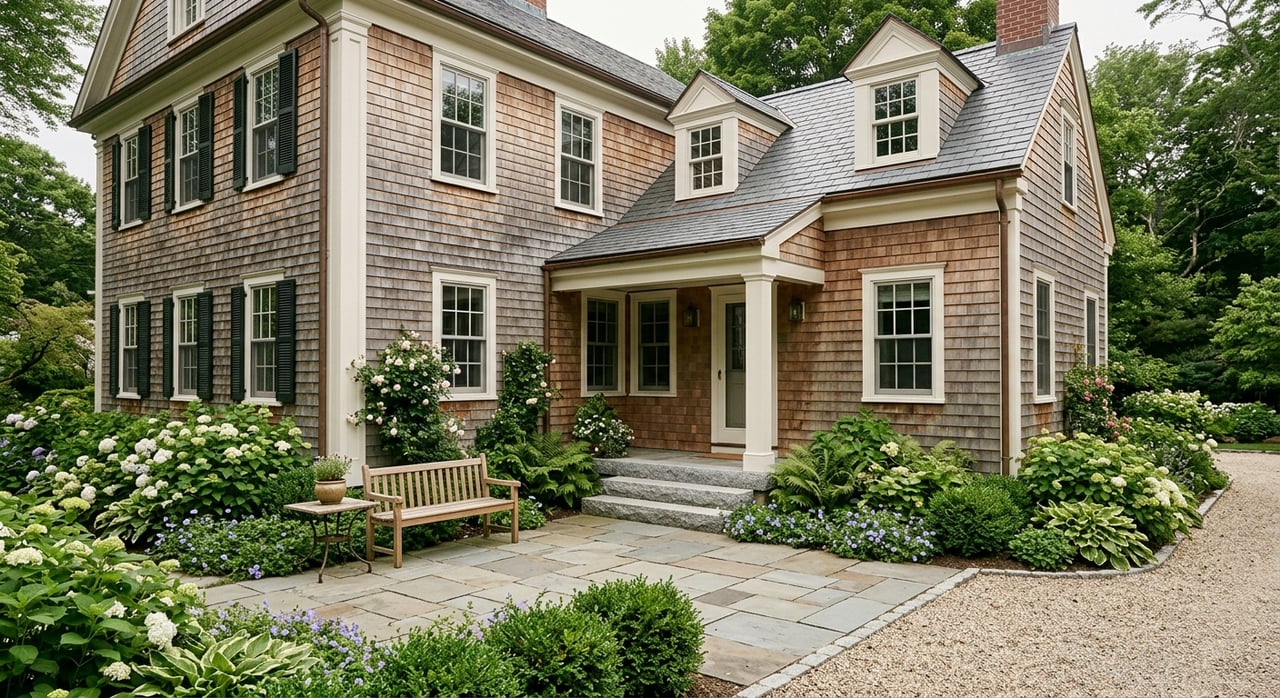
Depending on the exact address, you may see wood clapboard, shingle, stucco, or brick exteriors. Common architectural styles in the area include Queen Anne, Colonial Revival, Georgian Revival, Shingle, Tudor Revival, Arts and Crafts, and Medieval Revival.
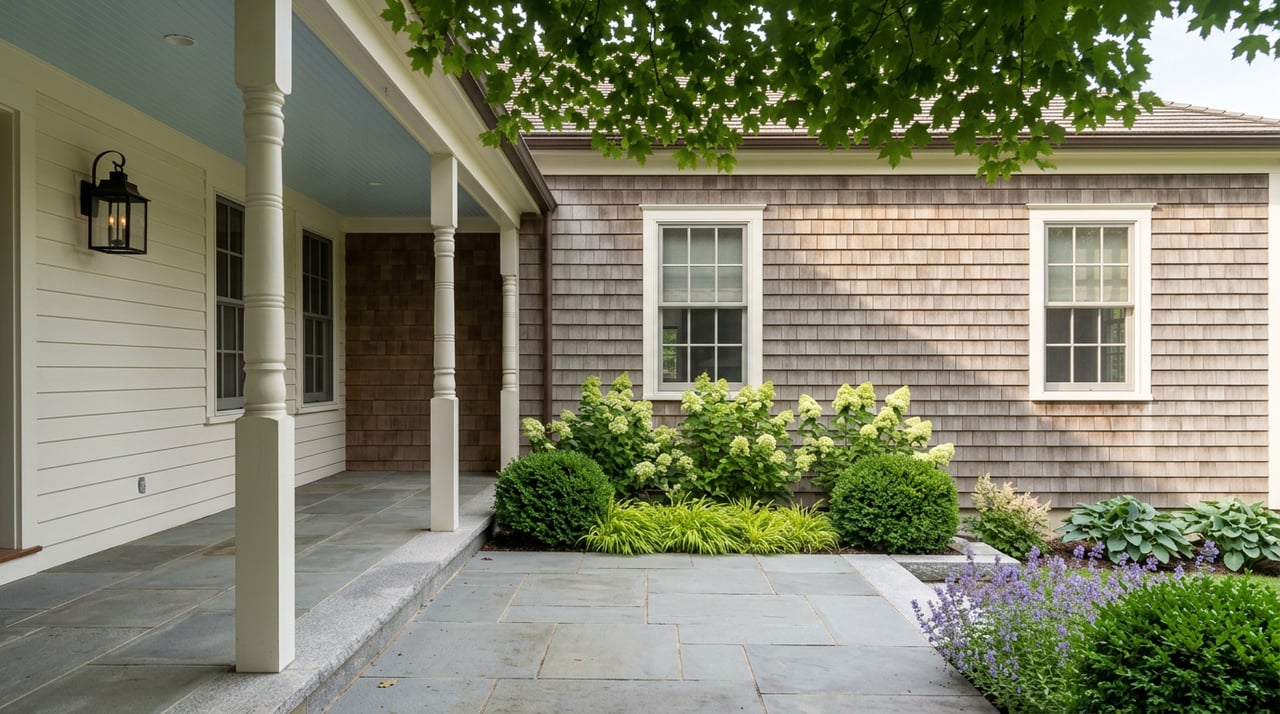
Many of these homes also feature details that give them their identity from the street. That can include varied shingle patterns, half-timbering, bargeboards, gable roofs, neoclassical columns, and ornamental shingles, along with mature trees, deep setbacks, and a strong street-facing orientation.
Start With The Exact Property Status
One of the biggest mistakes buyers make is assuming all Chestnut Hill properties follow the same preservation rules. They do not. Chestnut Hill spans more than one municipality, and Brookline, Newton, and Boston each use separate historic-preservation systems.
Before you buy, confirm the parcel’s exact municipality and whether it falls within a designated historic district. That step matters because the review process, application path, and approval standards can differ depending on where the property sits.
Newton specifically notes that its Chestnut Hill district does not cover the entire village area. Brookline also places Chestnut Hill within its local historic district system, while Boston’s Landmarks Commission reviews exterior changes for designated properties within its own jurisdiction.
What To Verify Before You Close
If you are serious about buying and updating a historic home, due diligence needs to go beyond a standard inspection. You want a clear paper trail for any prior exterior work and a realistic sense of what your future project may require.
Ask the seller for:
- Prior certificates or approvals
- Historic-district correspondence
- Survey plans
- Plans, elevations, or specifications from previous work
- Records of exterior changes already completed
In Brookline, design review starts with an application for a Certificate of Appropriateness, Certificate of Non-Applicability, or Certificate of Hardship. That application must be supported by plans, elevations, and specifications.
In Newton, buyers should know that exterior changes to a building or hardscape require an application. In-kind repairs or ordinary maintenance may qualify for administrative approval, and the city notes that planting is not reviewed there.
Know What Triggers Review
For many buyers, the key question is simple: what can you change without a formal review? In Massachusetts historic districts, exterior work is the main issue, especially when it affects features visible from a public place.
Massachusetts General Laws Chapter 40C says that no building or structure in a historic district may be constructed or altered in a way that affects exterior architectural features unless the commission first issues the proper certificate. The law limits review to exterior architectural features visible from public streets, public ways, public parks, or public bodies of water.
That definition is broader than many people expect. It can include windows, doors, lights, signs, paint, and other exterior fixtures.
Brookline Review Rules
Brookline’s bylaw is especially clear about what falls under review. It regulates exterior architectural features visible from public streets, ways, parks, or public water bodies, including windows, doors, exterior materials, and even paint color.
Brookline also identifies some exemptions. Storm doors and windows, screen doors and windows, and window air conditioners are among the appurtenances that are exempt, while roof solar heating panels are subject to review.
Newton Review Rules
Newton uses a similar framework, but the path can differ depending on the type of project. Visible alterations generally go to full Historic District Commission review.
In-kind repairs and ordinary maintenance may receive staff-level approval. Some changes not visible from a public way may qualify for a Certificate of Non-Applicability, and the city says applications should include clear photos plus product and material specifications.
Plan Updates As Preservation Work
If you want a smoother renovation, treat the project as a preservation effort rather than a standard remodel. That mindset usually leads to better design decisions and fewer surprises during review.
The most preservation-friendly approach is typically repair before replacement. National Park Service guidance says deteriorated historic features should be repaired when possible, and if replacement is necessary, the new feature should match the old in design, color, texture, and where possible materials.
This is especially relevant for original windows, trim, siding, and decorative exterior details. Keeping those elements intact can preserve the home’s architectural character while also making approvals more straightforward.
Windows And Exterior Features
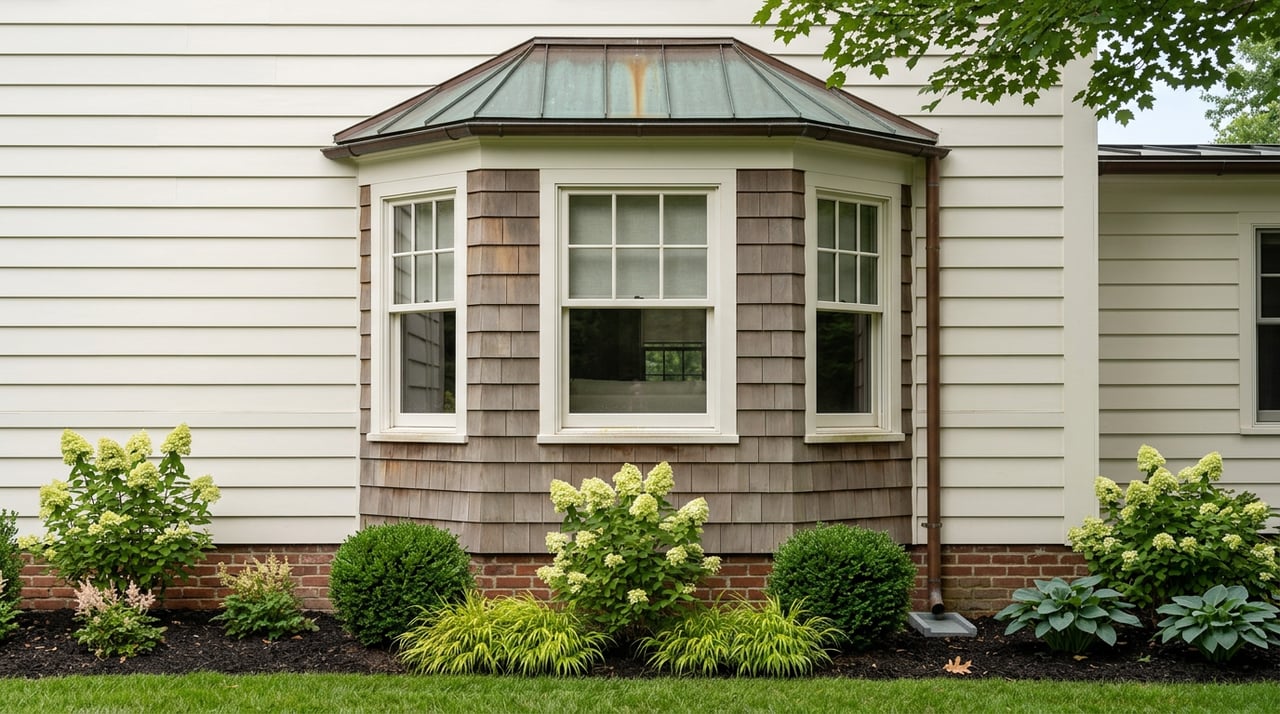
Original windows are often one of the first items buyers think about replacing. But repair may be the better first option, both for preservation and for performance.
National Park Service guidance recommends repair first, followed by weatherstripping, caulking, glazing repairs, and storm windows to improve efficiency without giving up historic character. If replacement becomes necessary, matching the original design and materials as closely as possible is usually the safest path.
Additions And Modern Living
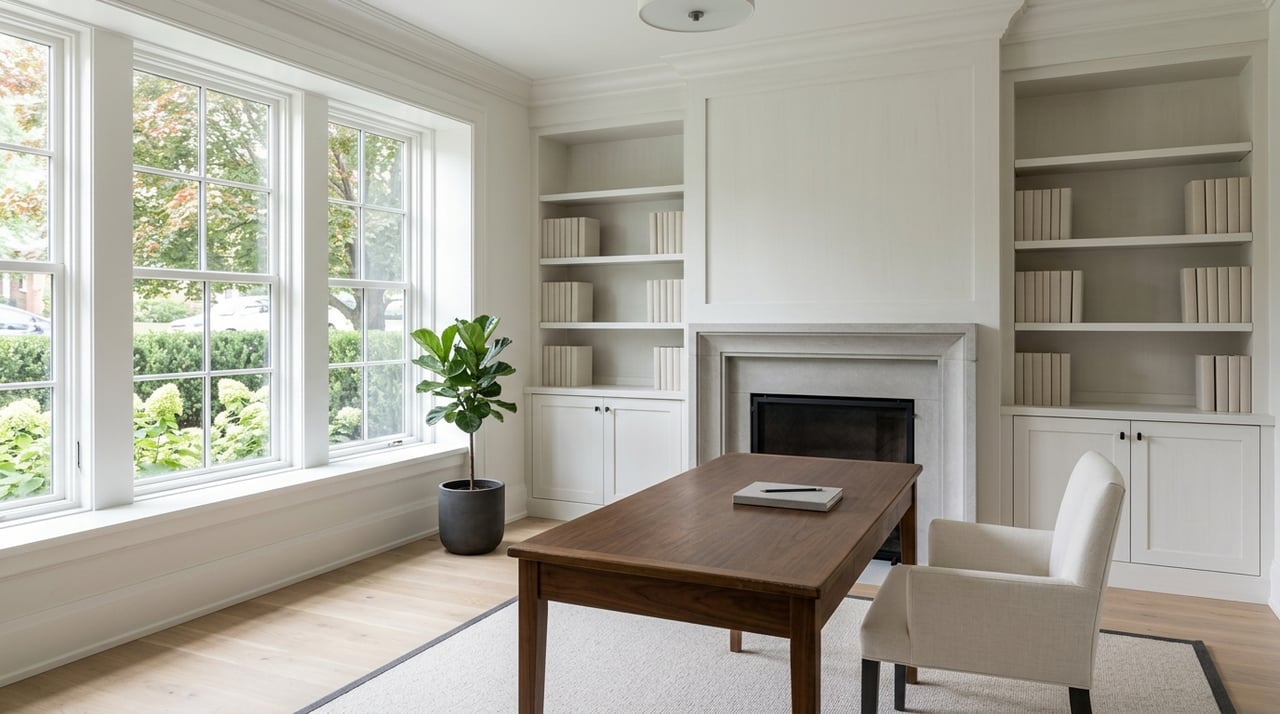
Historic homes can support modern living, but additions and exterior alterations need careful planning. The standard is not to freeze a property in time. It is to make compatible changes while preserving the features that convey its historical or architectural value.
That means new additions and exterior updates should avoid destroying character-defining materials and remain compatible in massing, size, scale, and features. If you are envisioning a larger remodel, this is where early design work really pays off.
Build The Right Team Early
A historic purchase often moves more smoothly when you involve the right professionals before final plans are drawn. For a buyer with major renovation goals, a preservation-aware team can save time, reduce redesign costs, and help you avoid ordering materials too early.
Depending on the scope, that team may include an architect, engineer, historic preservation consultant, attorney, accountant, or specialized craftsman. The right lineup depends on the house, the district, and the scale of the proposed work.
If you are buying in Chestnut Hill, local knowledge matters. A team familiar with Brookline, Newton, and Boston review processes can help you understand which ideas are likely to move smoothly and which may need revision.
Do Not Overlook Lead And Asbestos Risks
Older homes can bring health and safety issues that should be addressed early in your planning. In homes built before 1978, lead-based paint is more likely to be present.
The EPA says contractors performing renovation, repair, or painting projects that disturb lead-based paint in pre-1978 homes must be EPA- or state-certified and use lead-safe work practices. That is important to factor into both your budget and your contractor selection.
Suspected asbestos-containing materials also deserve caution. The EPA recommends that materials such as floor tile, ceiling tile, or pipe wrap be sampled by a properly trained and accredited professional before renovation disturbs them.
Tax Credits And Cost Planning
Historic renovations can be expensive, so it is worth understanding what incentives may apply. In Massachusetts, a historic rehabilitation tax credit of up to 20% is available for qualifying expenditures on a historic structure, subject to final certification by the Massachusetts Historical Commission.
The current authorization runs through December 31, 2027, with a statewide cap of $55 million per year. Not every project will qualify, so it is smart to review eligibility early if you are considering substantial rehabilitation work.
Buyers should also note an important limit on the federal historic preservation tax credit. The federal 20% credit applies only to certified historic structures used for business or other income-producing purposes, and owner-occupied residential properties do not qualify.
A Smart Buying Strategy For Chestnut Hill
If you are considering a historic home in Chestnut Hill, the smartest approach is equal parts vision and verification. The homes here offer craftsmanship and presence that are hard to replicate, but successful updates depend on understanding the property’s district status, visible exterior controls, and condition before you commit.
In practical terms, that means confirming jurisdiction early, documenting existing conditions, and coordinating visible exterior work with the appropriate commission before materials are ordered or construction begins. When you approach the process with care, you can preserve what makes the home remarkable while still shaping it for the way you live today.
Whether you are evaluating a purchase, preparing a historic property for sale, or planning updates before listing, a local strategy makes all the difference. For thoughtful guidance tailored to Chestnut Hill, Brookline, and Newton, request a private consultation with Robin Allen.
FAQs
What should you check before buying a historic home in Chestnut Hill?
- Confirm the exact municipality, determine whether the property is in a designated historic district, and ask for prior approvals, certificates, plans, and historic-district correspondence related to exterior work.
What exterior changes may require approval for a Chestnut Hill historic home?
- In a historic district, exterior changes visible from a public street, way, park, or public body of water may require a certificate before work begins, depending on the municipality and project details.
Can you replace windows in a historic home in Chestnut Hill?
- Possibly, but repair is generally the preferred first approach, and if replacement is necessary, the new windows should closely match the original design, color, texture, and where possible materials.
Do all Chestnut Hill homes follow the same historic rules?
- No. Chestnut Hill spans Brookline, Newton, and Boston jurisdictions, and each uses its own preservation system and review process.
Are there tax credits for renovating a historic home in Massachusetts?
- Massachusetts offers a historic rehabilitation tax credit of up to 20% for qualifying expenditures on a historic structure, subject to certification, while the federal 20% credit does not apply to owner-occupied residential properties.
What safety issues should you plan for in an older Chestnut Hill home renovation?
- In pre-1978 homes, lead-based paint may be present, and suspected asbestos-containing materials should be evaluated by properly trained professionals before renovation disturbs them.